found 11 places to stay
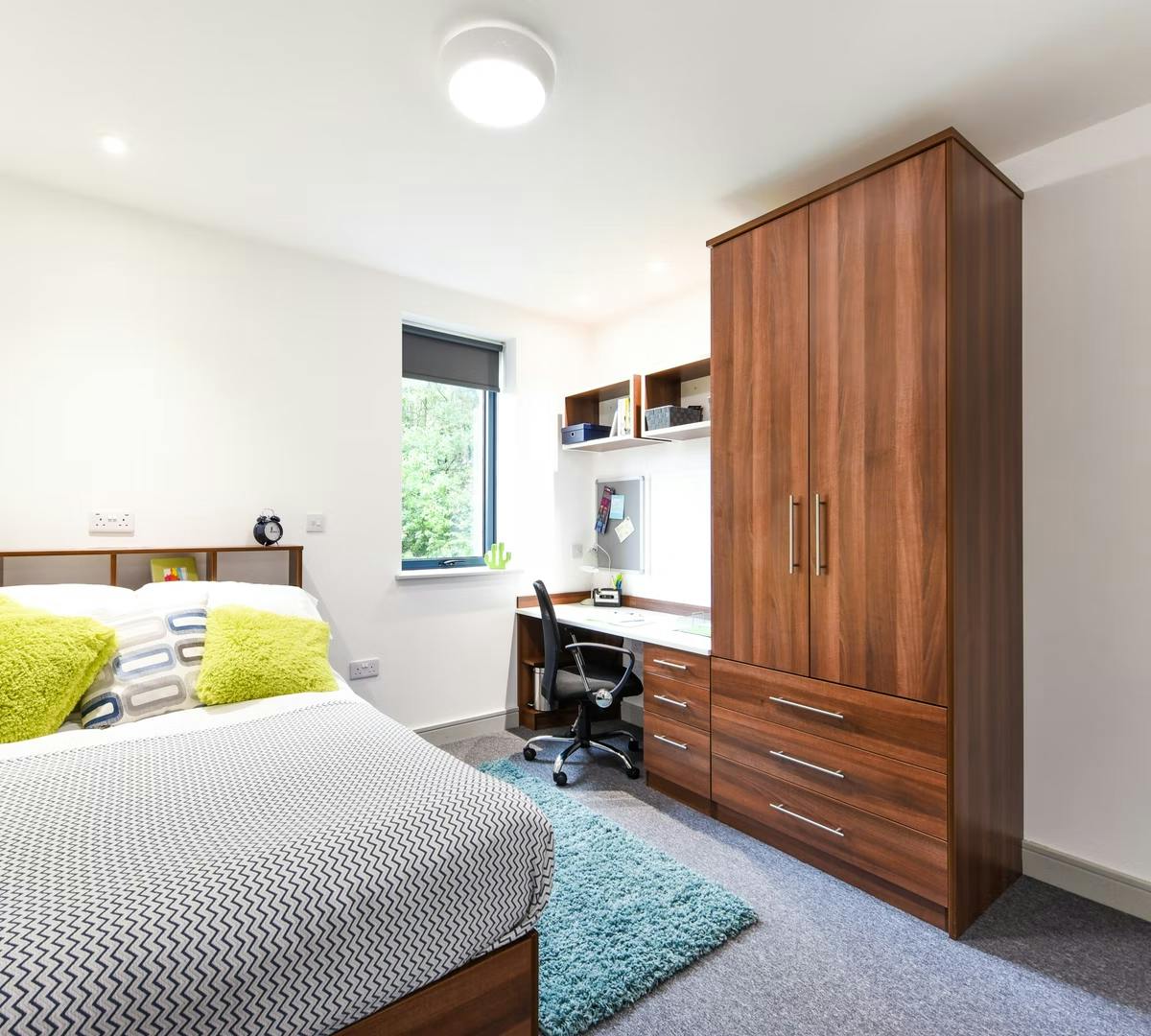
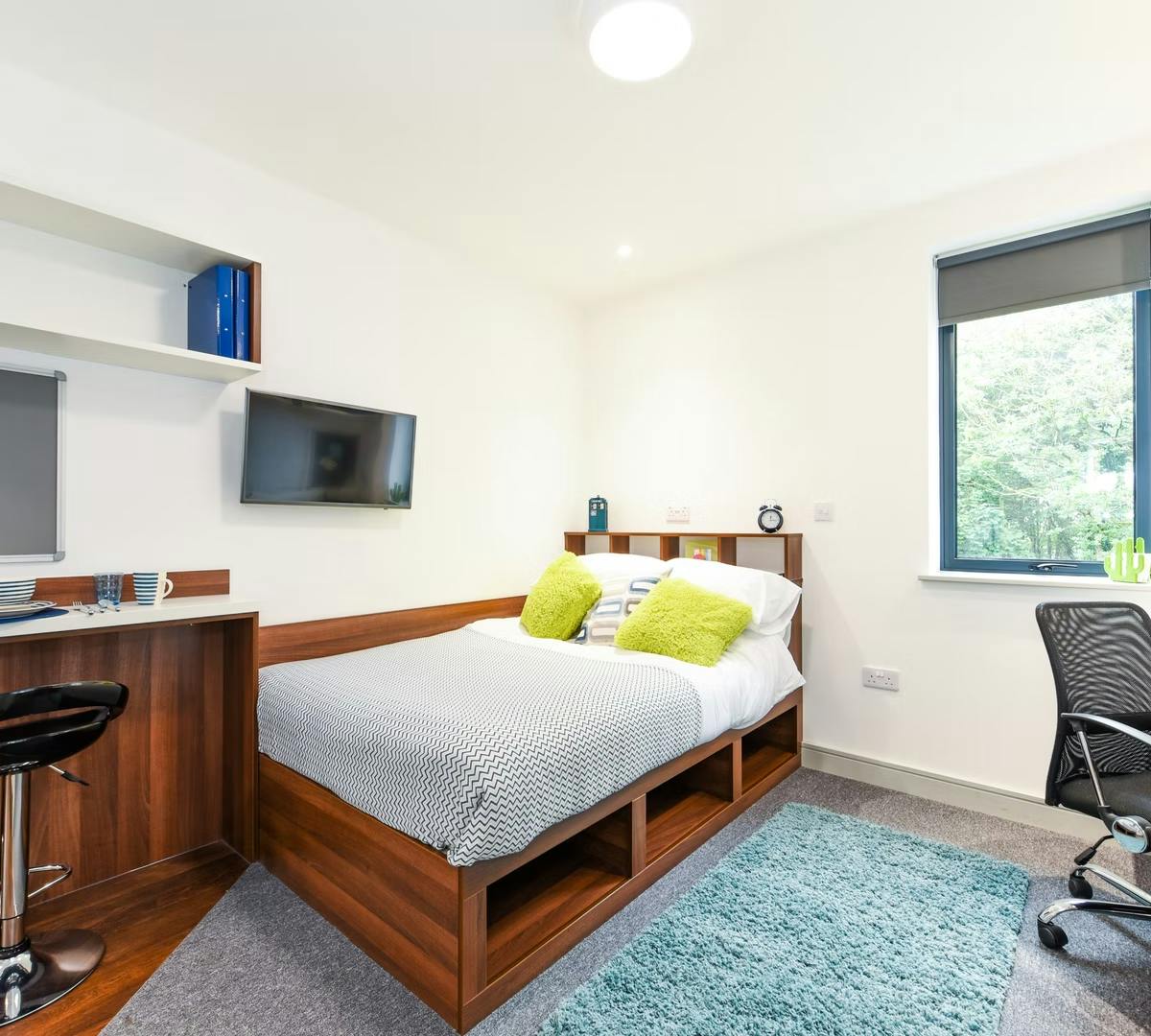
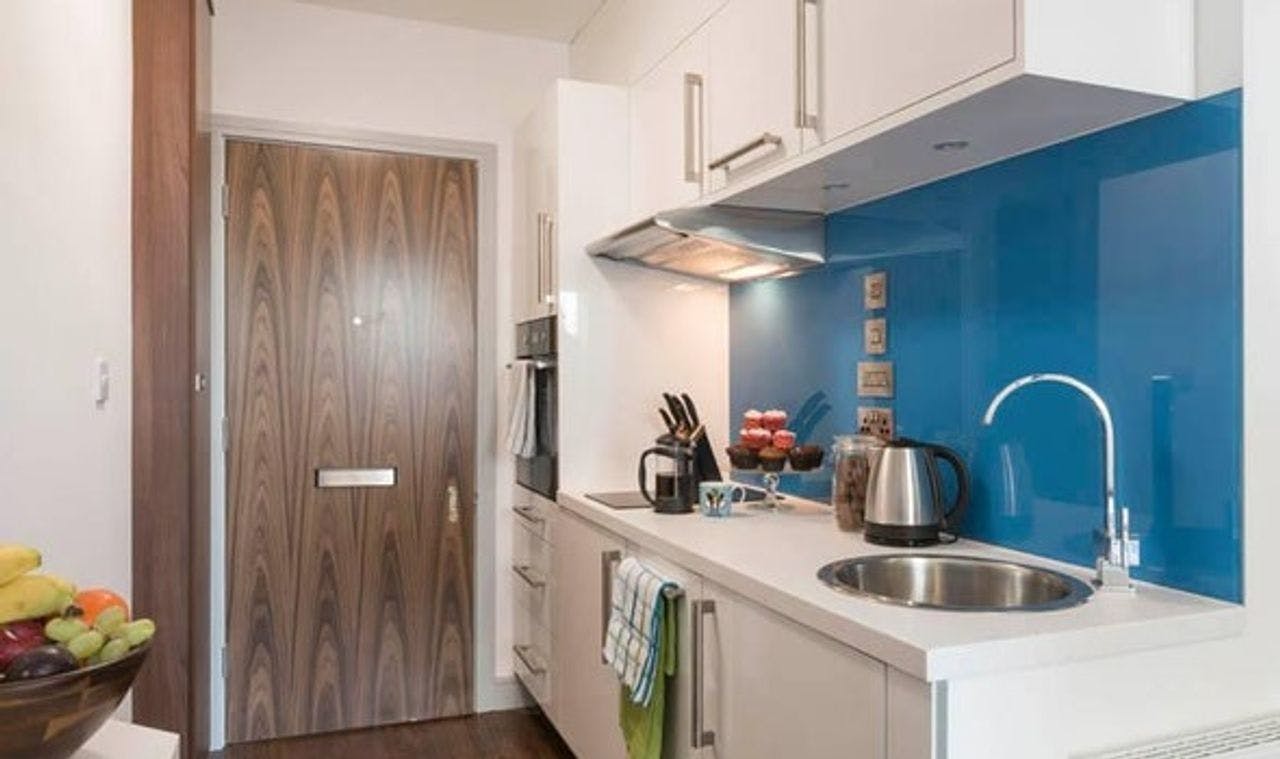
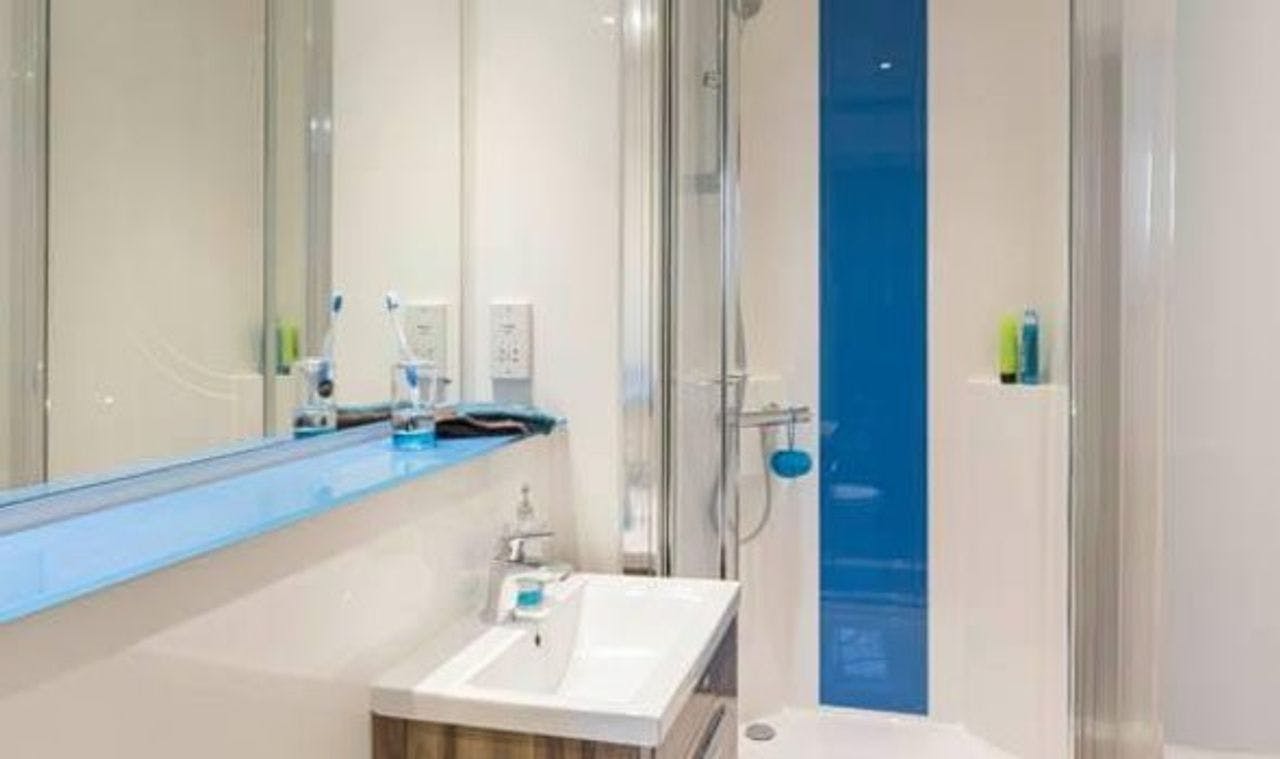


 Durham DH1 1SJ, United Kingdom








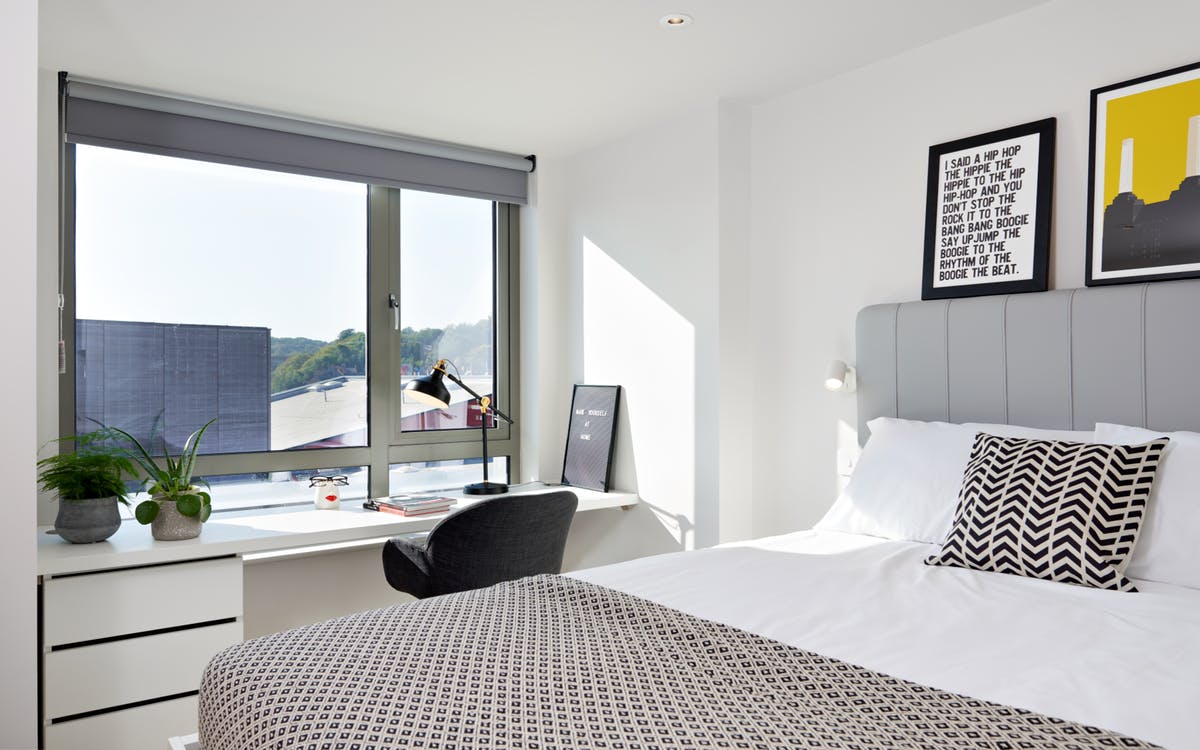
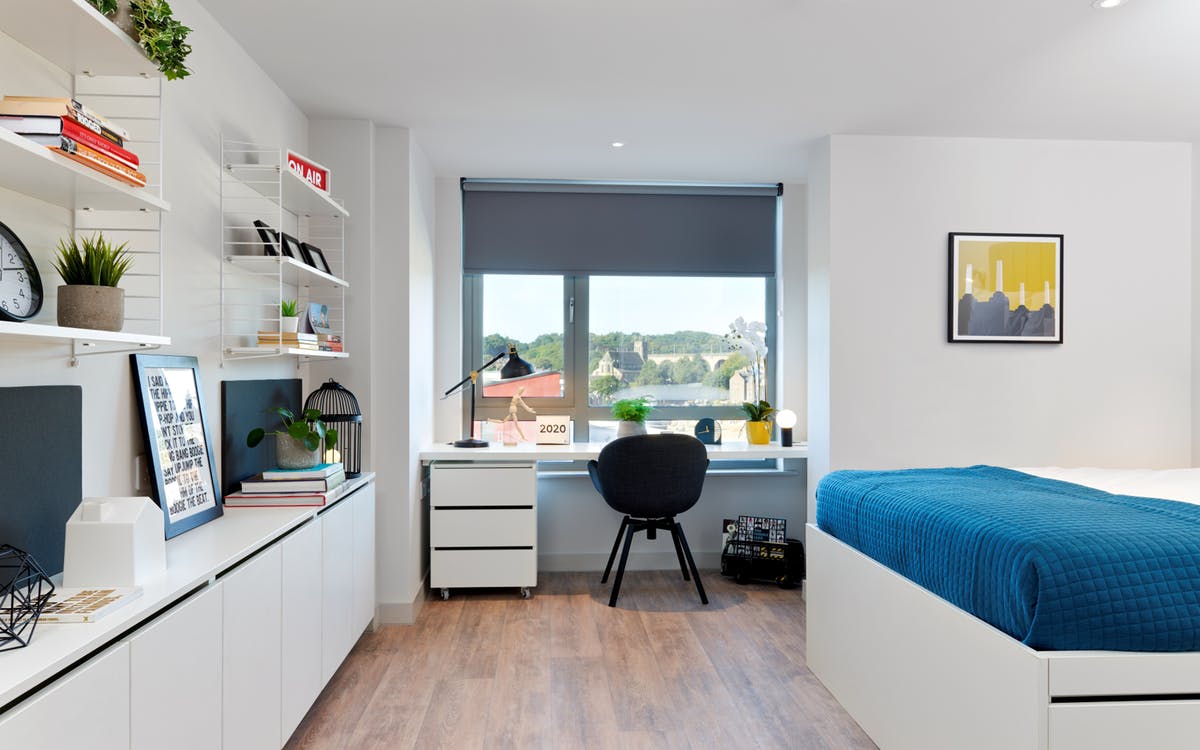

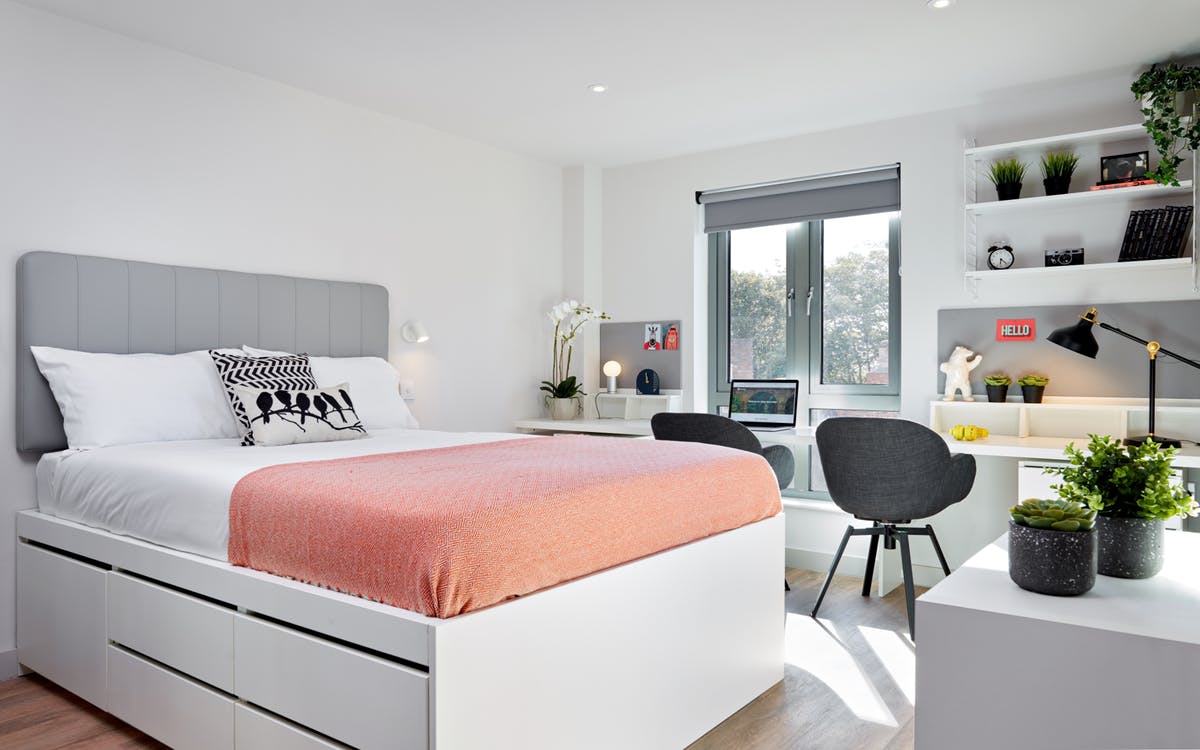
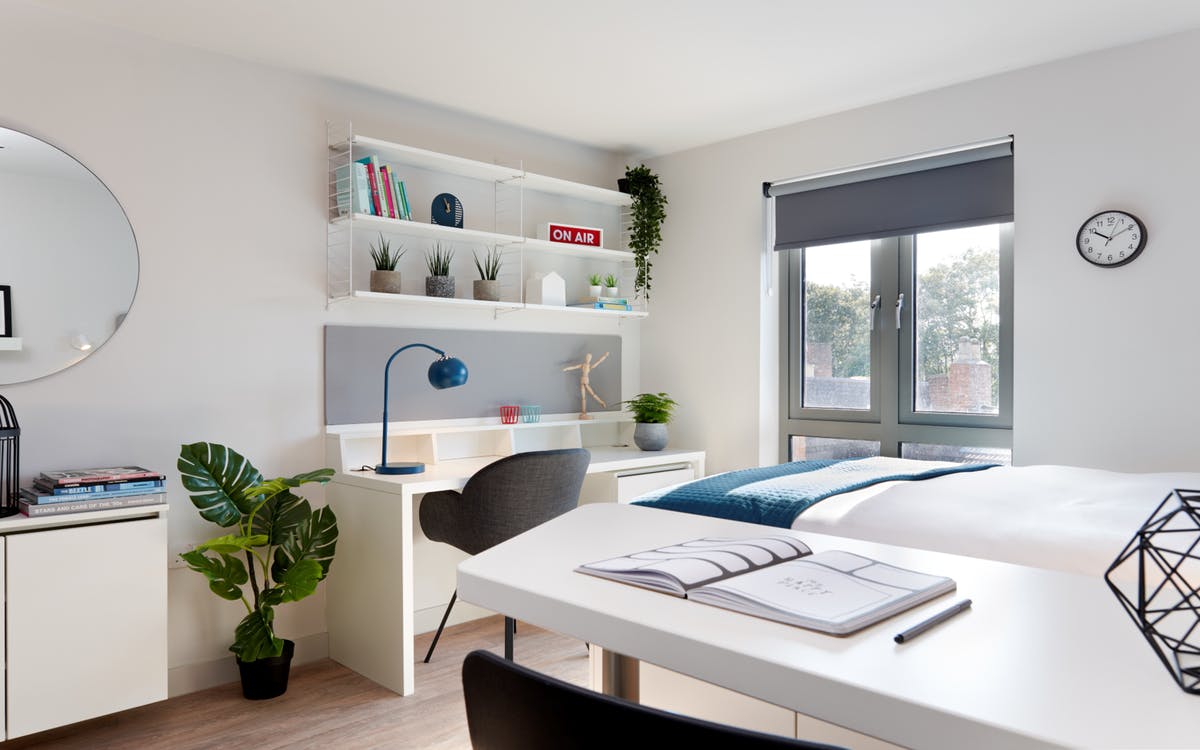











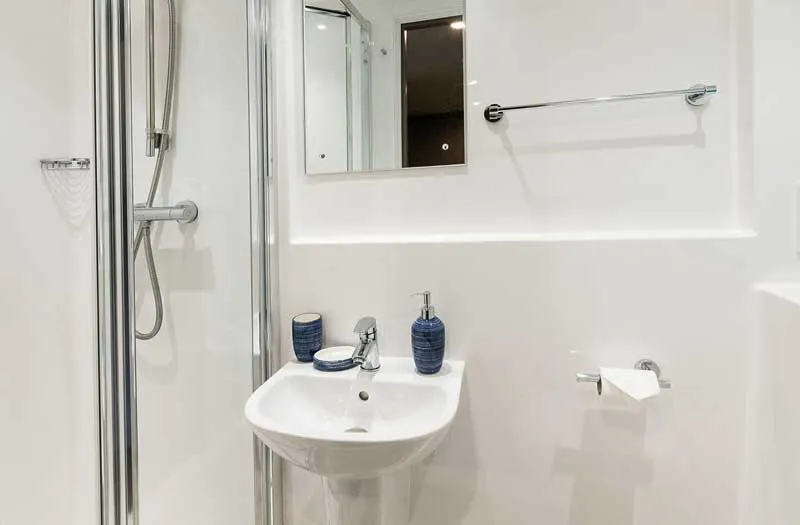
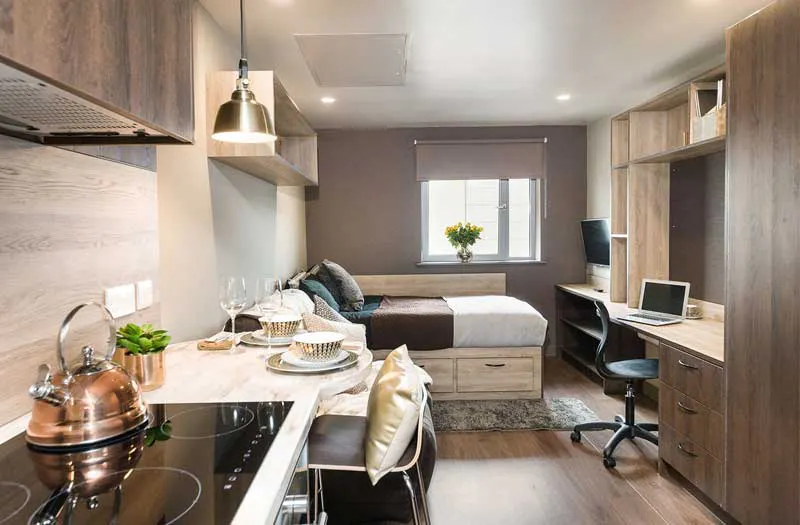

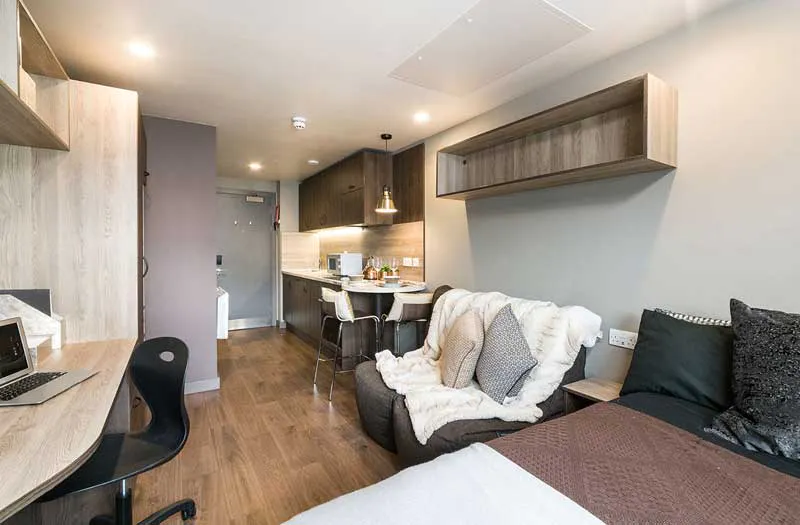
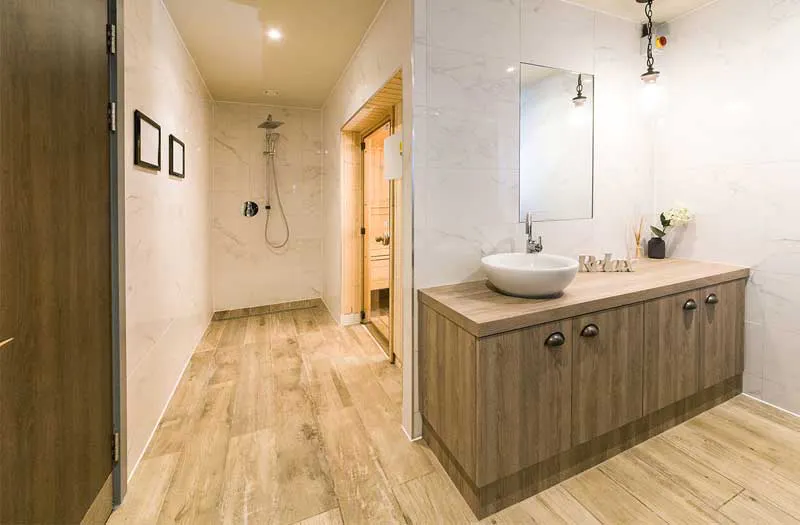















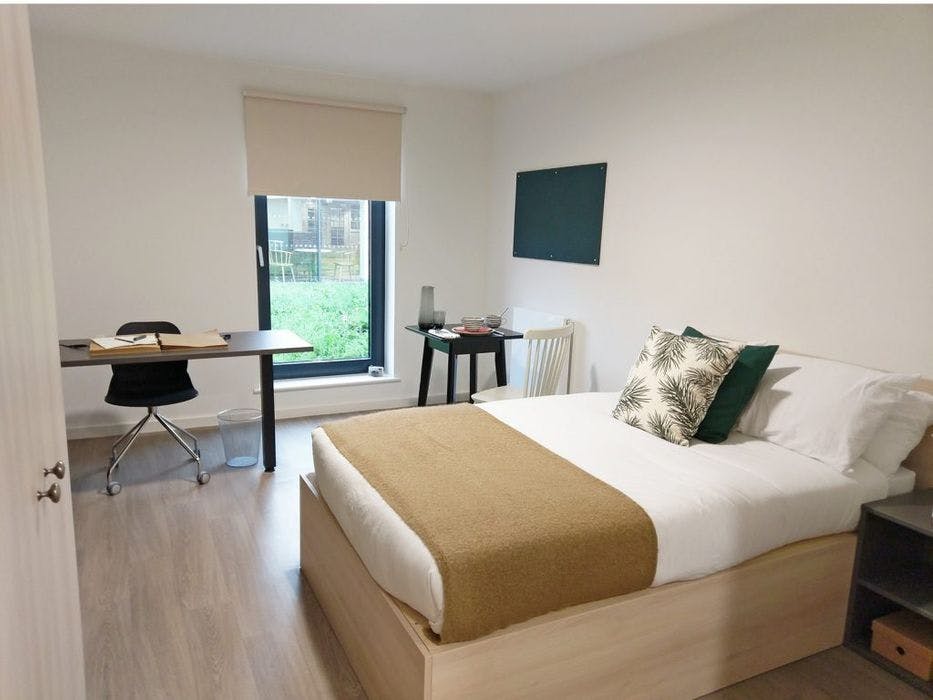
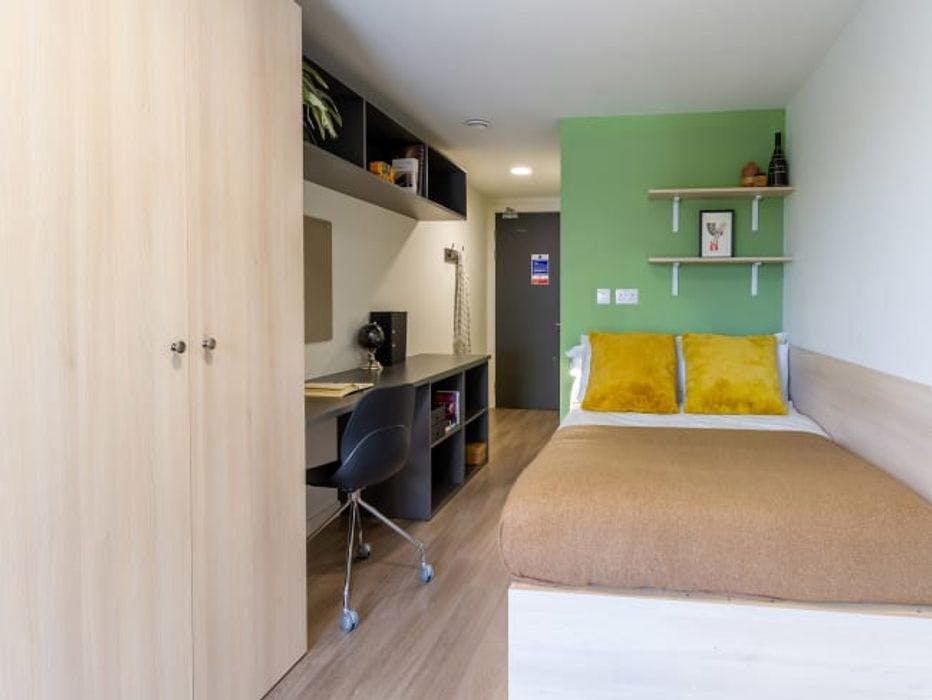
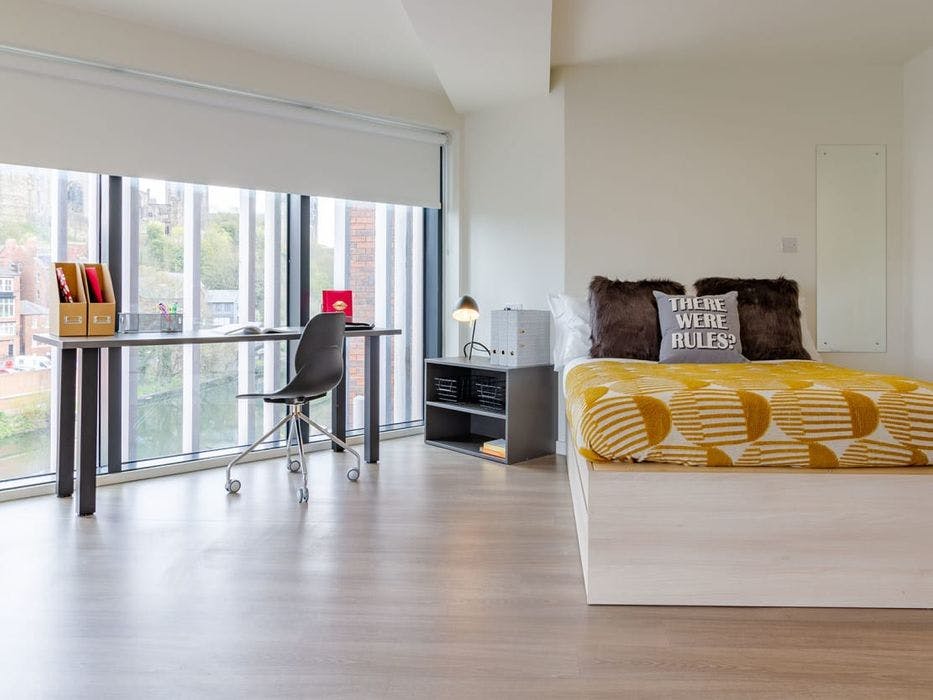
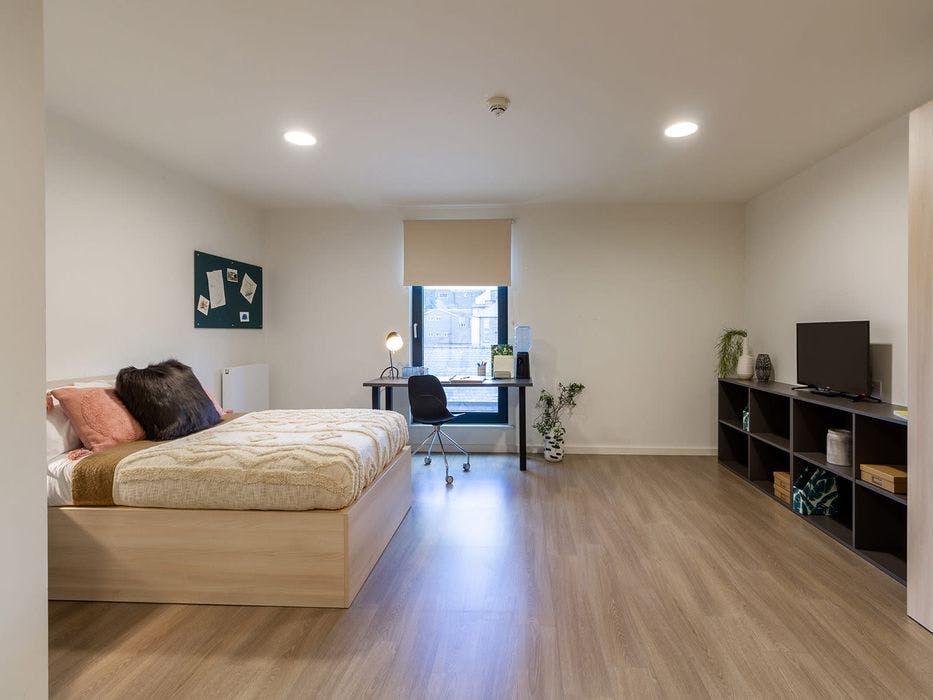
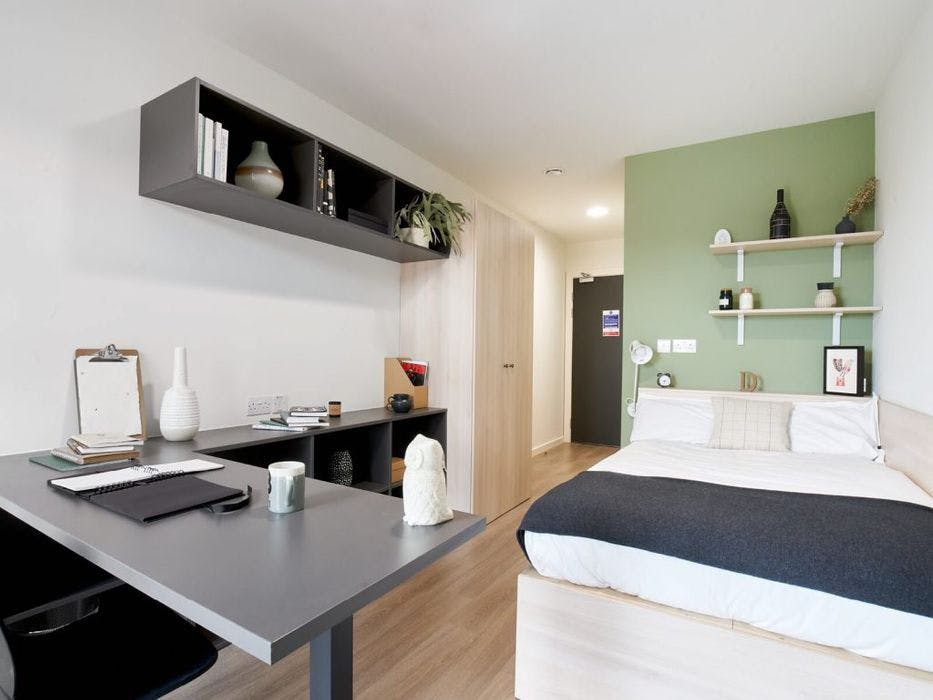


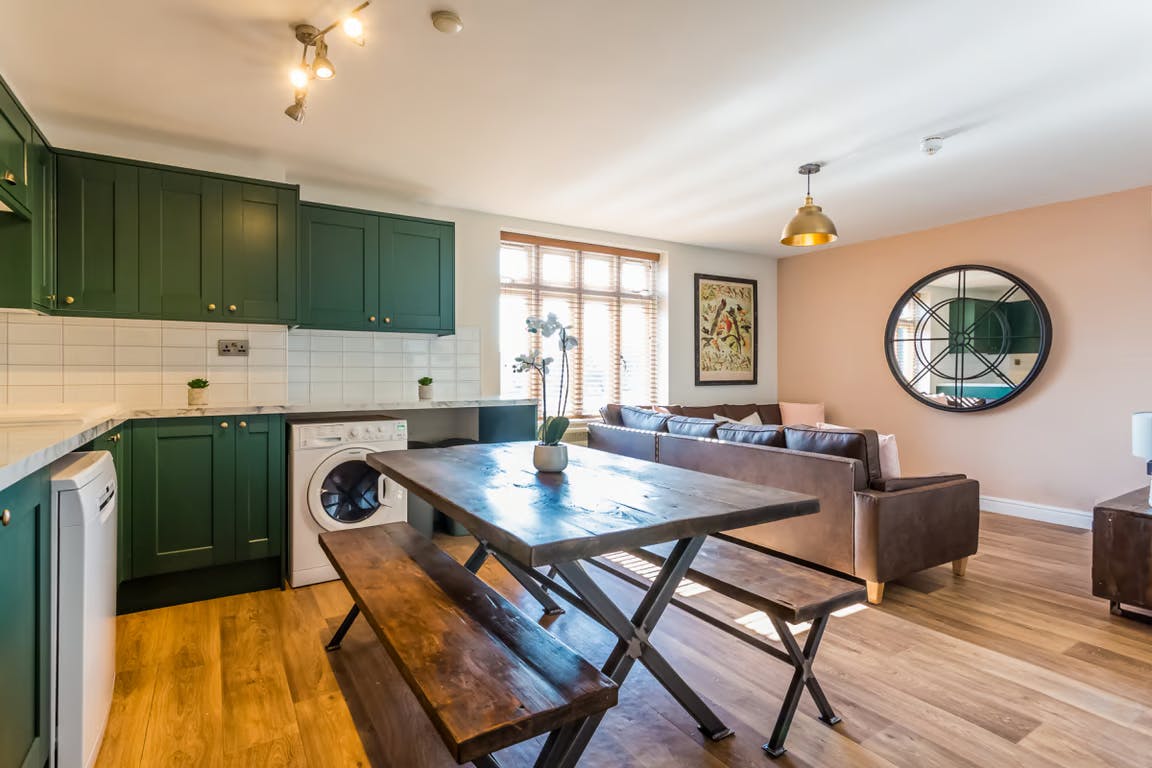
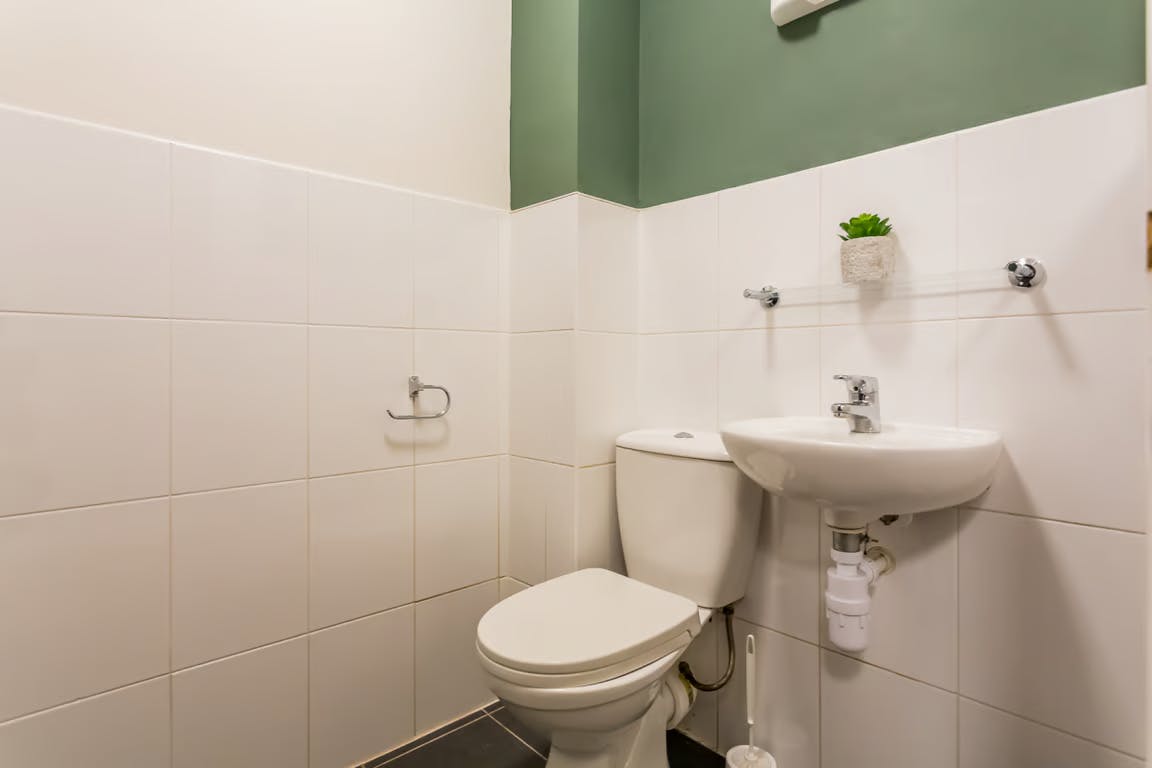
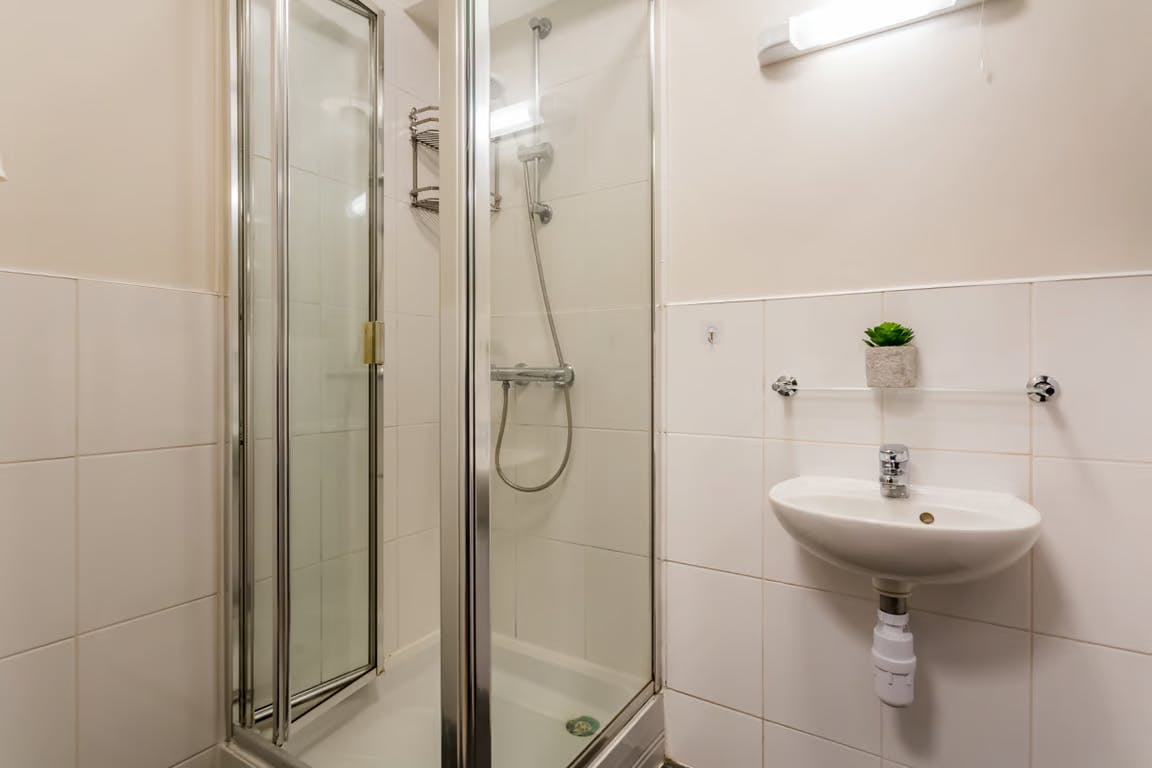

Want something else?
Just tell us your requirements & get the best apartments for your stay hasslefree.

Student Accommodation in Durham
Durham is a historic cathedral city in northeast England. It is one of Europe's best-preserved medieval cities and is best known for Durham Cathedral and Durham Castle, both recognised as UNESCO World Heritage Sites. The city is compact in size and has a vibrant student community. According to HESA 2024/25, the city has 21,145 students, of whom 14,250 are domestic, and 6,895 are international. These students usually choose Durham University, which is one of the UK's leading universities.
Durham has a highly competitive student accommodation market, especially for students who prefer private housing after their first year. While many first-year students are guaranteed university accommodation, returning students start searching for private accommodation early in the academic year due to strong demand. PBSA is a popular choice among students. New developments are helping to increase the number of available rooms. Students who book 3-4 months before the September intake have the best chance of securing accommodation within their budget and preferred location. With UniAcco, students can compare verified student accommodation in Durham, explore different room types and prices, and receive 24/7 support to find the right student home.
Durham Student Accommodation in 60 Seconds
|
Overview |
Details |
|
Average Weekly Rent (UniAcco internal data) |
£227/week |
|
Student Population (HESA 2024/25 Student Data) |
21,145 students |
|
Top Universities |
University of Durham/Durham University |
|
Popular Student Areas |
Whinney Hill, Neville’s Cross, Gilesgate, Claypath, New Elvet |
|
Best Room Types |
Ensuite, Studio |
|
Best Time to Book |
January–May for the September intake |
Why Choose Student Accommodation in Durham?
Students choose accommodation in Durham for its walkability, rich history, modern amenities and range of neighbourhoods to suit different lifestyles. Living in Durham means spending less time commuting and more time enjoying university life, as the city is compact enough for students to walk between colleges, lectures, libraries, cafés and the city centre in just a few minutes, at an average rent of £227/week. Studying in Durham also means living among centuries of history, from Durham Cathedral and Durham Castle to riverside walks and cobbled streets, giving the city a setting unlike that of most university destinations. UniAcco's private student accommodation in Durham includes high-speed Wi-Fi, study rooms, social spaces, gyms and on-site support, along with fully furnished rooms and all-inclusive bills, making it easy for students to budget their monthly spending. Durham also has a range of neighbourhoods to suit different budgets and lifestyles, whether students prefer the lively atmosphere of The Viaduct, the convenience of Claypath, or the quieter surroundings of Neville's Cross.
UniAcco Insights
- Average weekly rent: £227.
- 67% of students choose ensuite rooms, averaging £194/week
- 33% choose studios, averaging £291/week
Accommodation Types Available in Durham
|
Room Type |
What It Includes |
Price |
|
Ensuite Room |
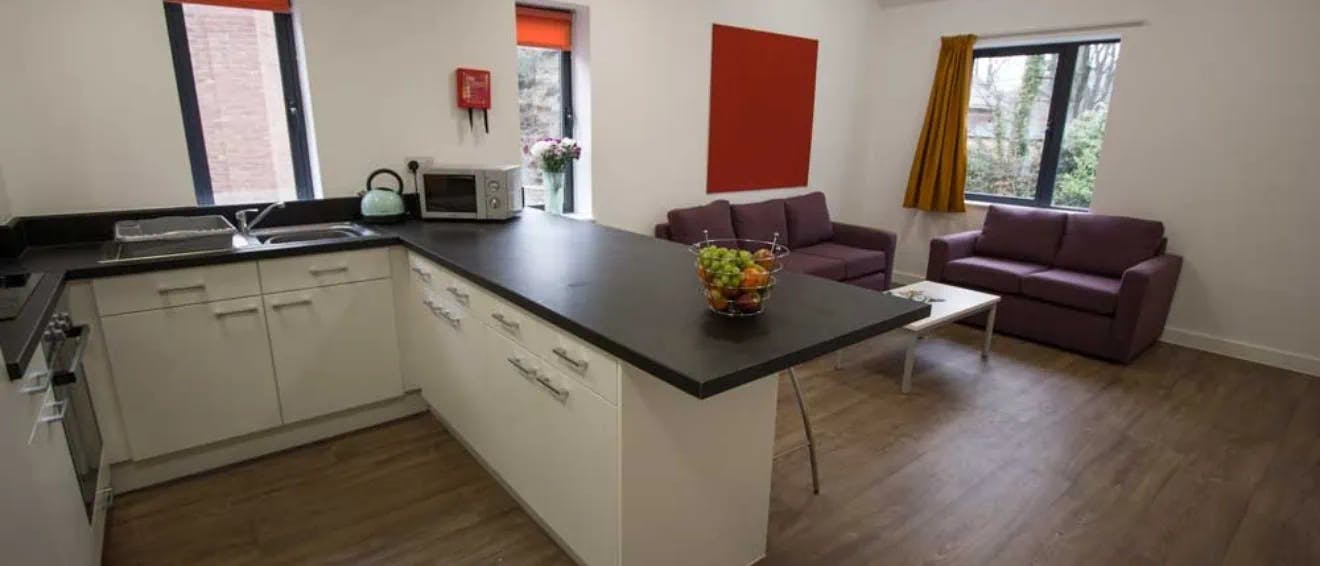
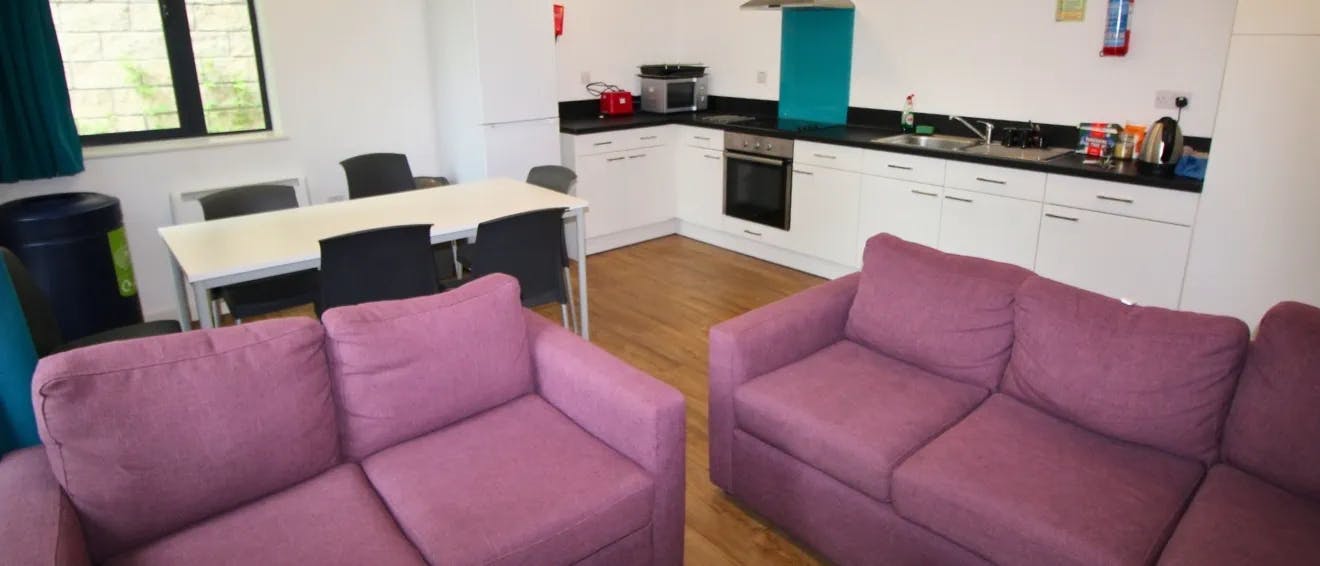
Private bedroom with shared kitchen and living area |
£194/week |
|
Studio Room |
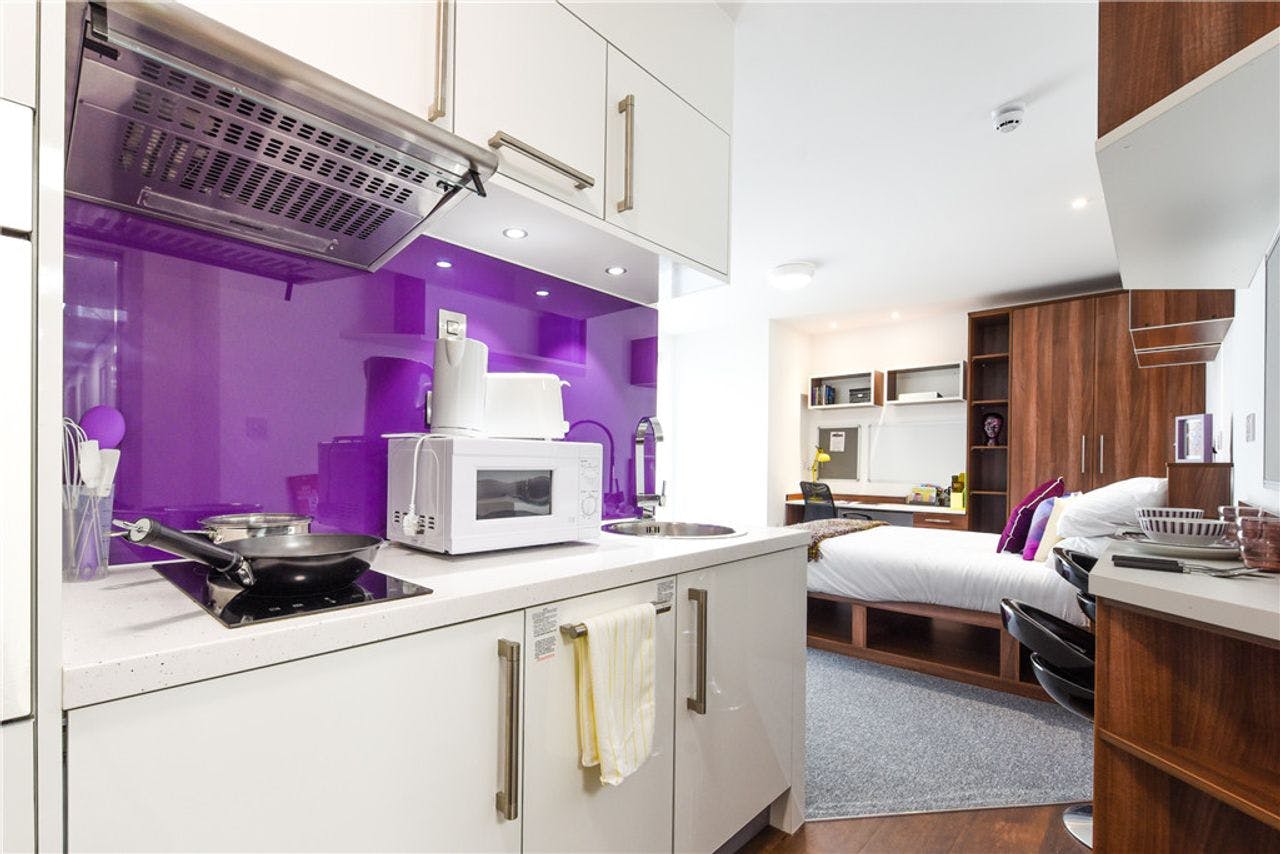
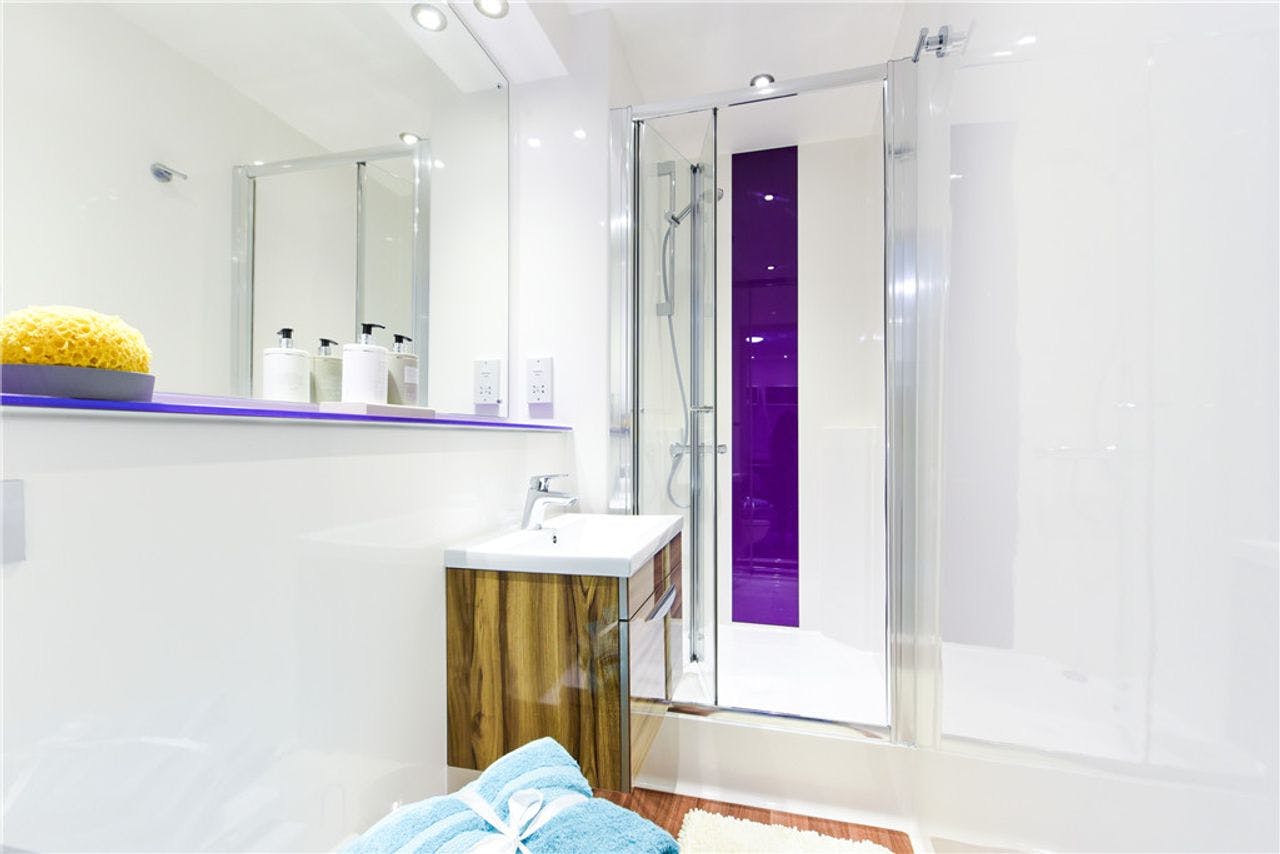
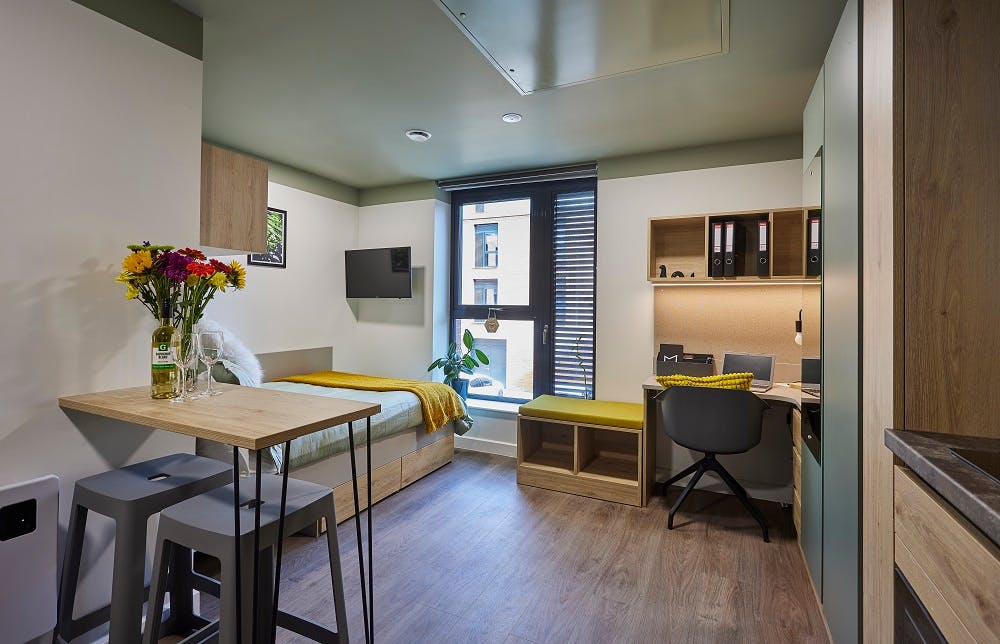
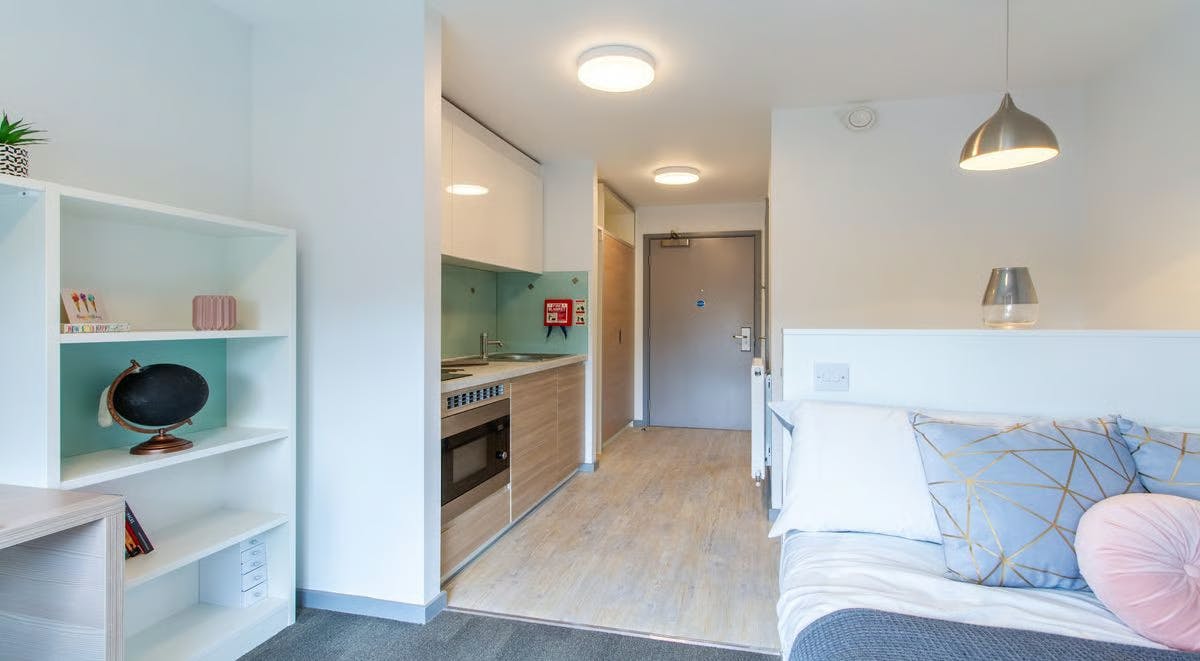
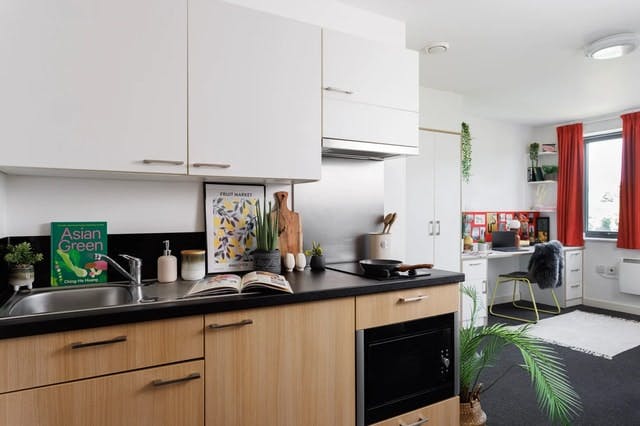
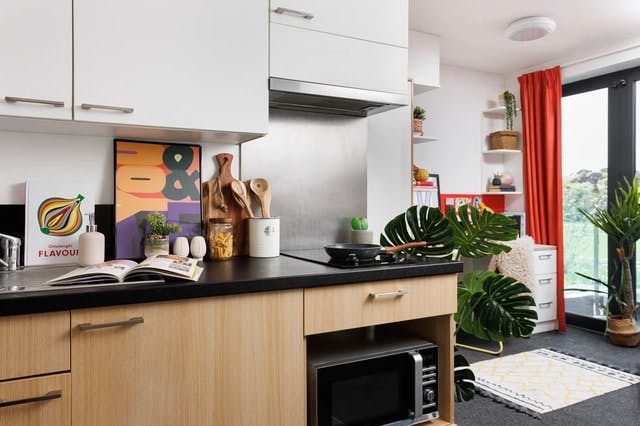
Private bedroom, bathroom, and kitchenette in one self-contained space |
£291/week |
Top Affordable Student Accommodation in Durham
Durham has a competitive student accommodation market, especially for private housing after the first year. PBSA remains popular, while new developments are adding more rooms across the city. Students who start looking 3-4 months before the September intake have a better chance of finding affordable accommodation in Durham. With UniAcco, students can compare verified student accommodation in Durham, check room types and prices, and get 24/7 support during the booking process.
Best Student Housing in Durham
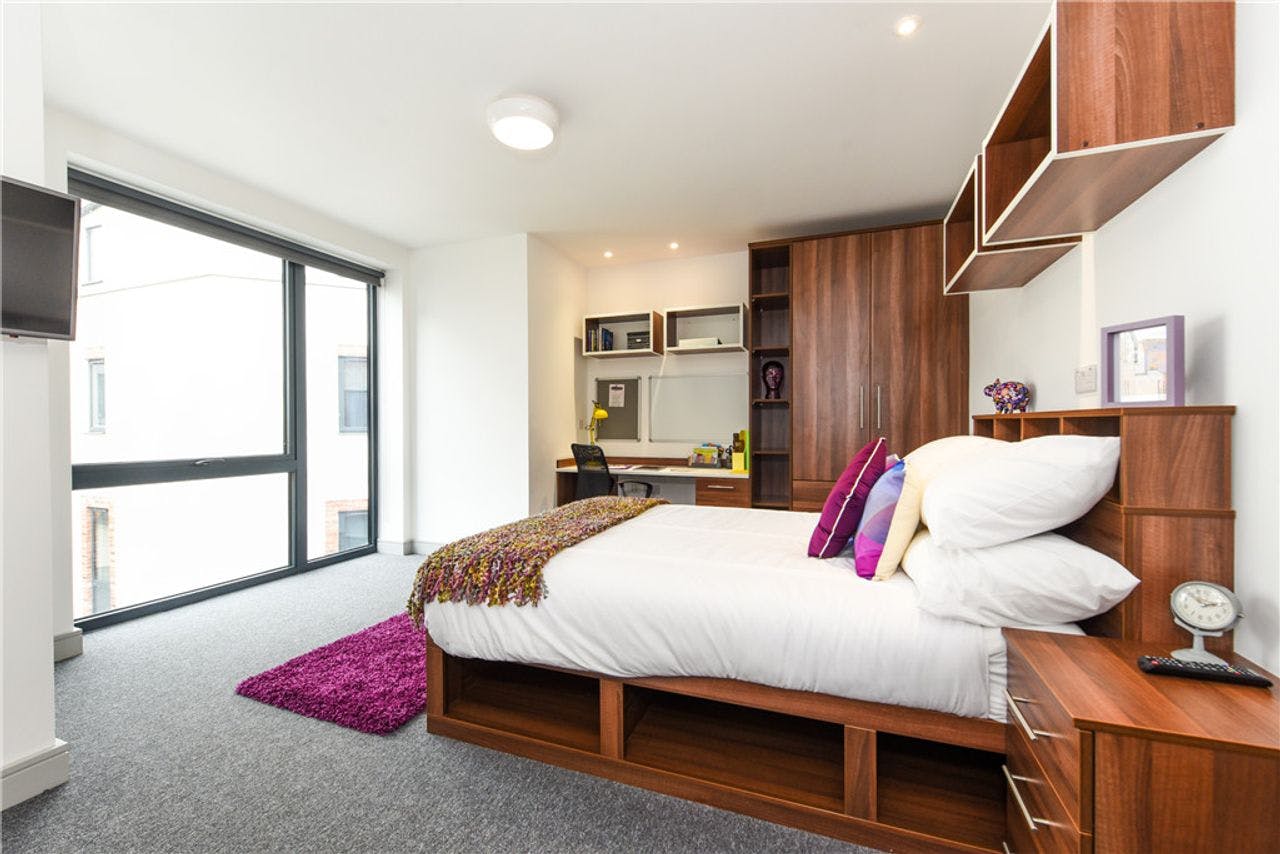
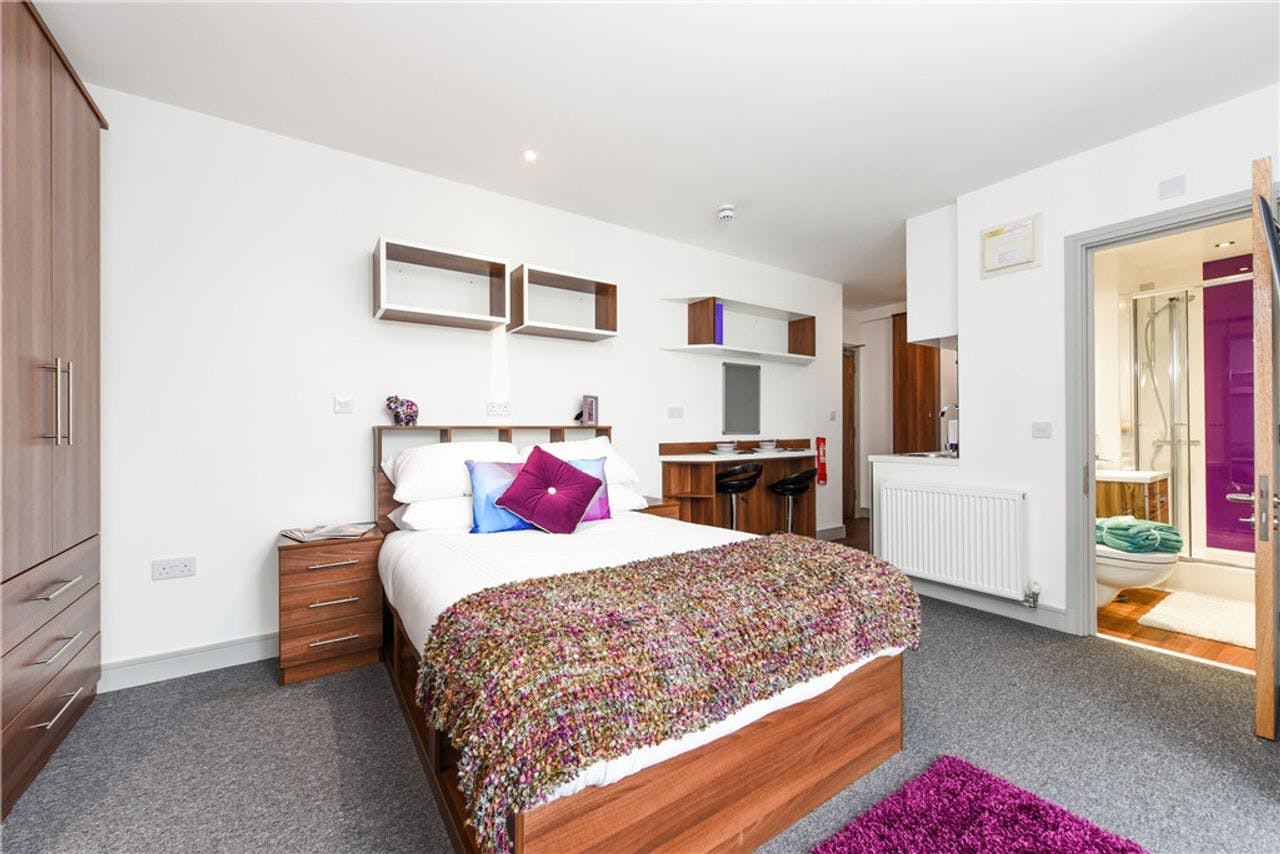
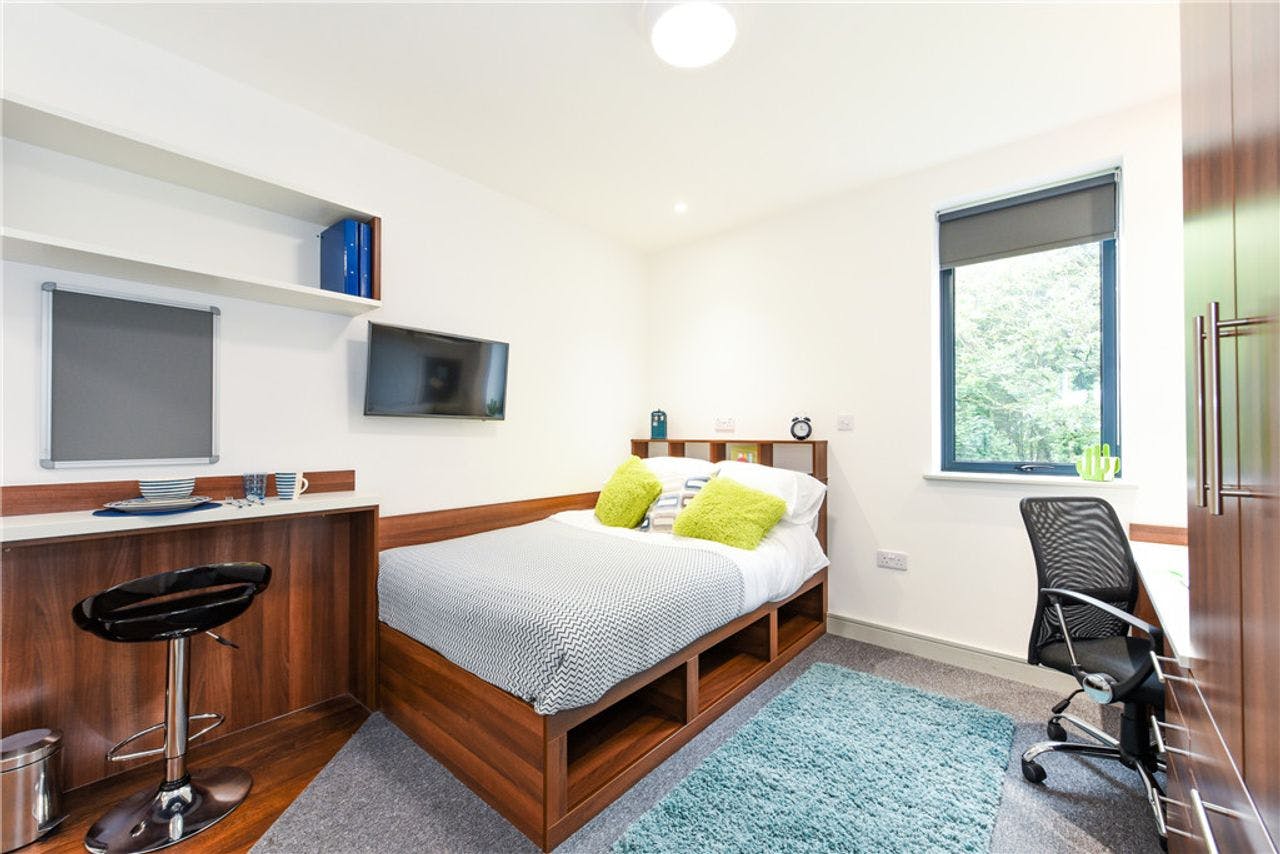
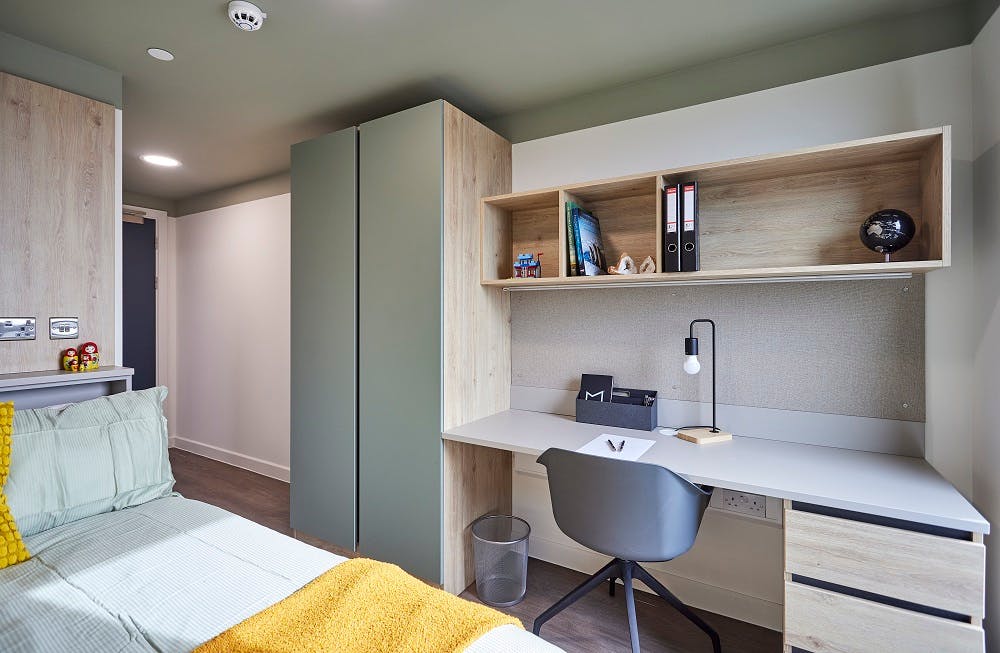
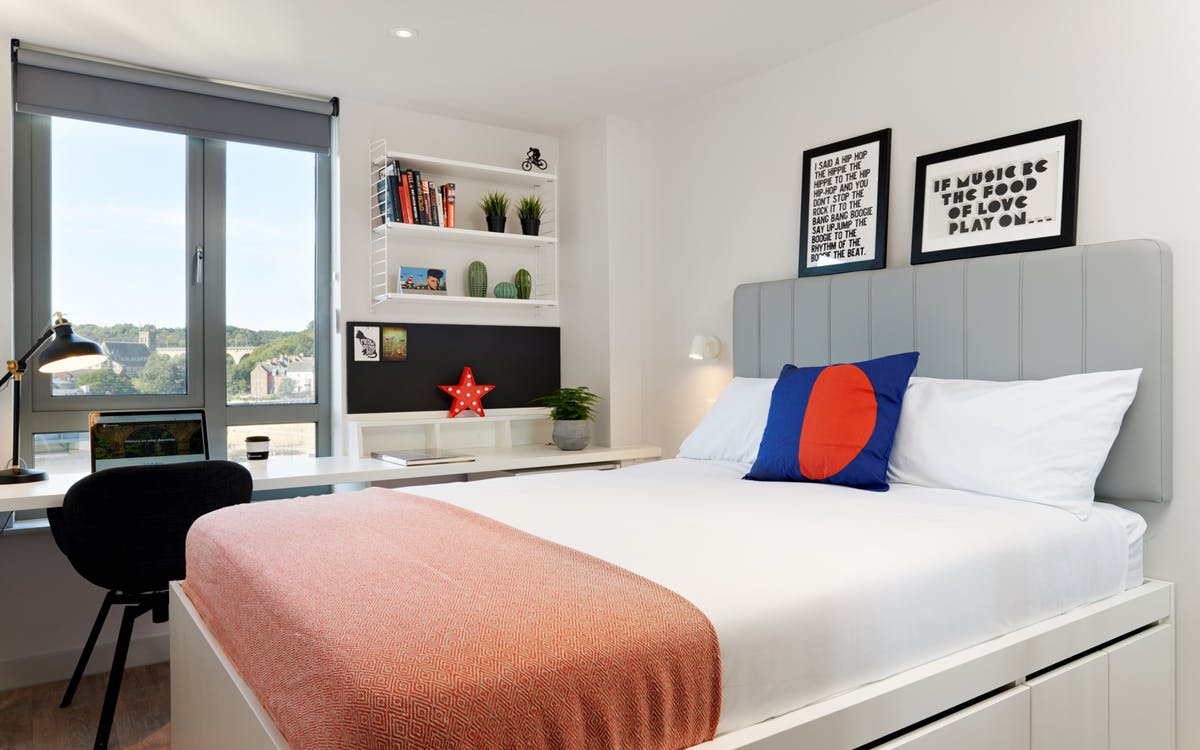
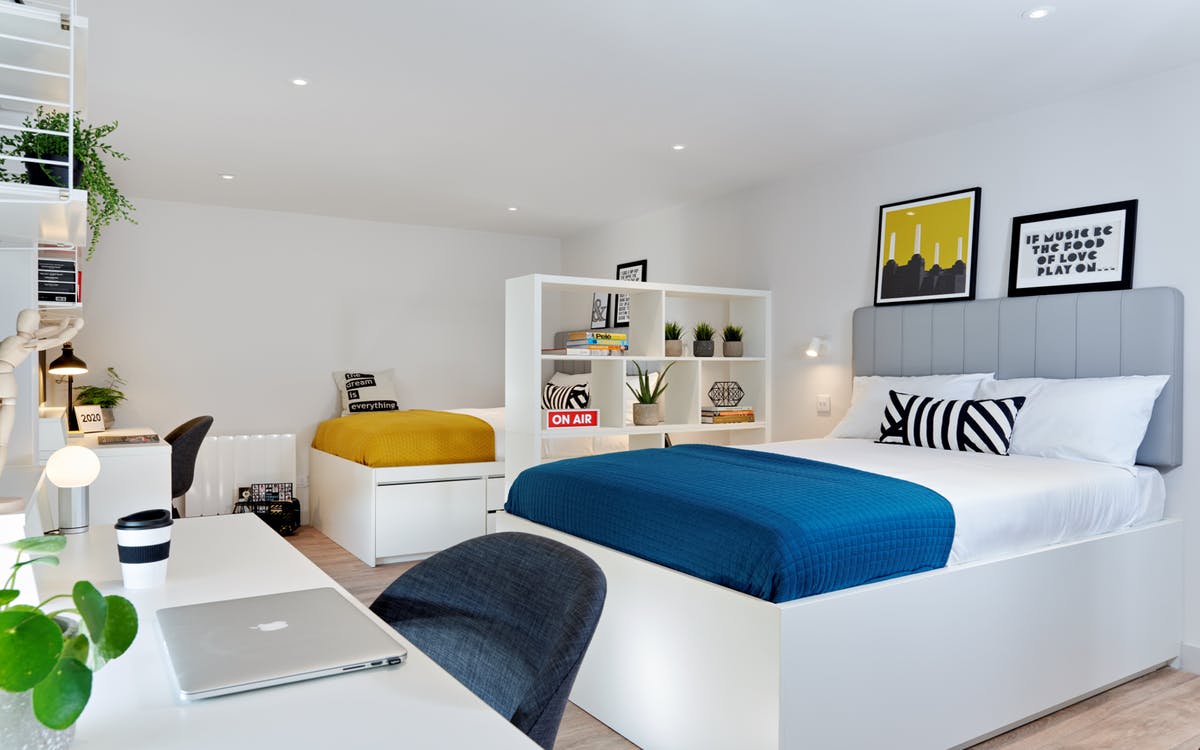
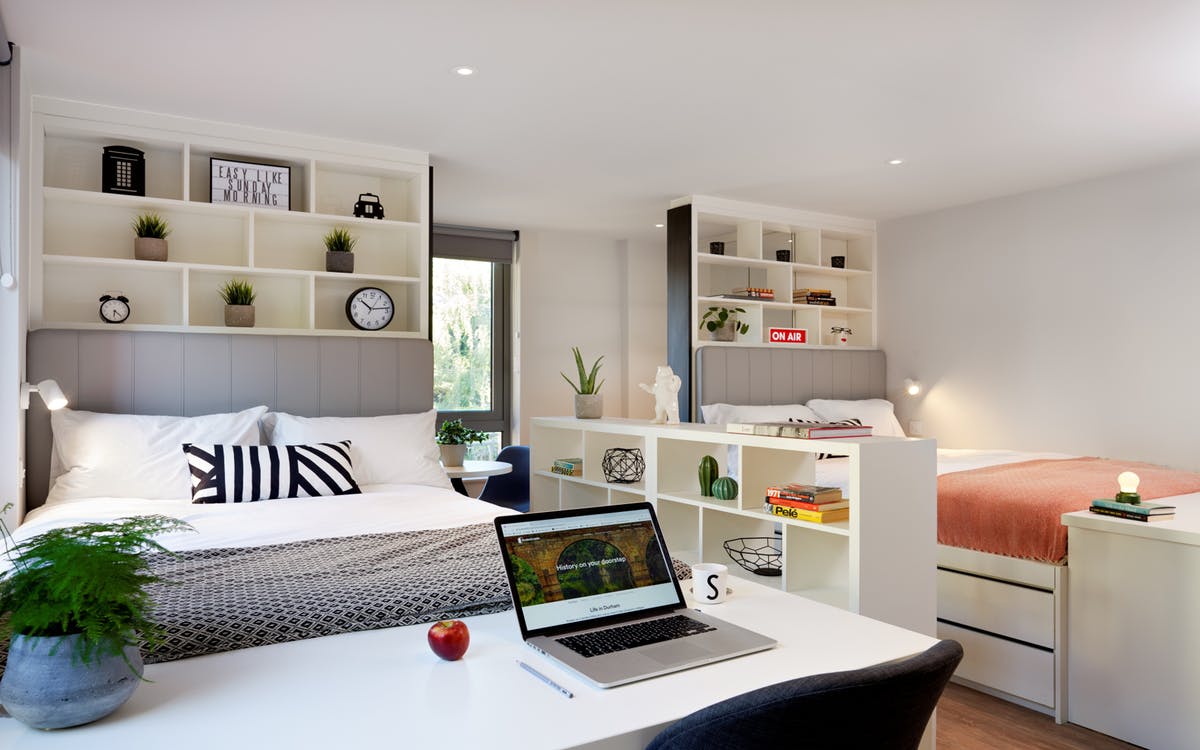
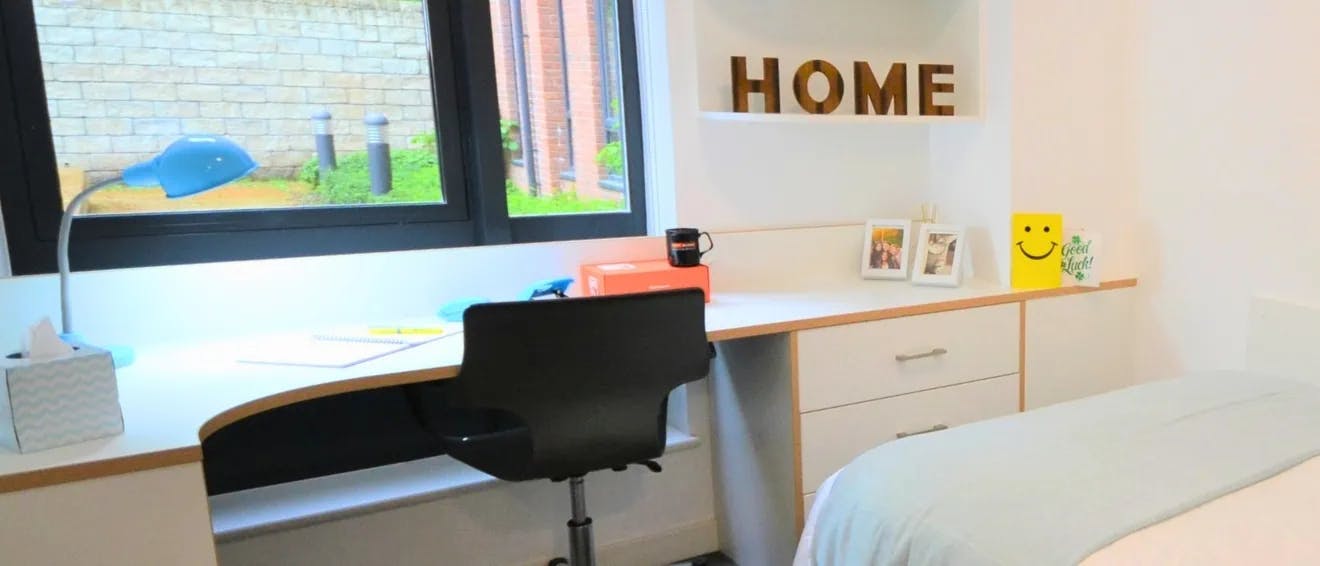
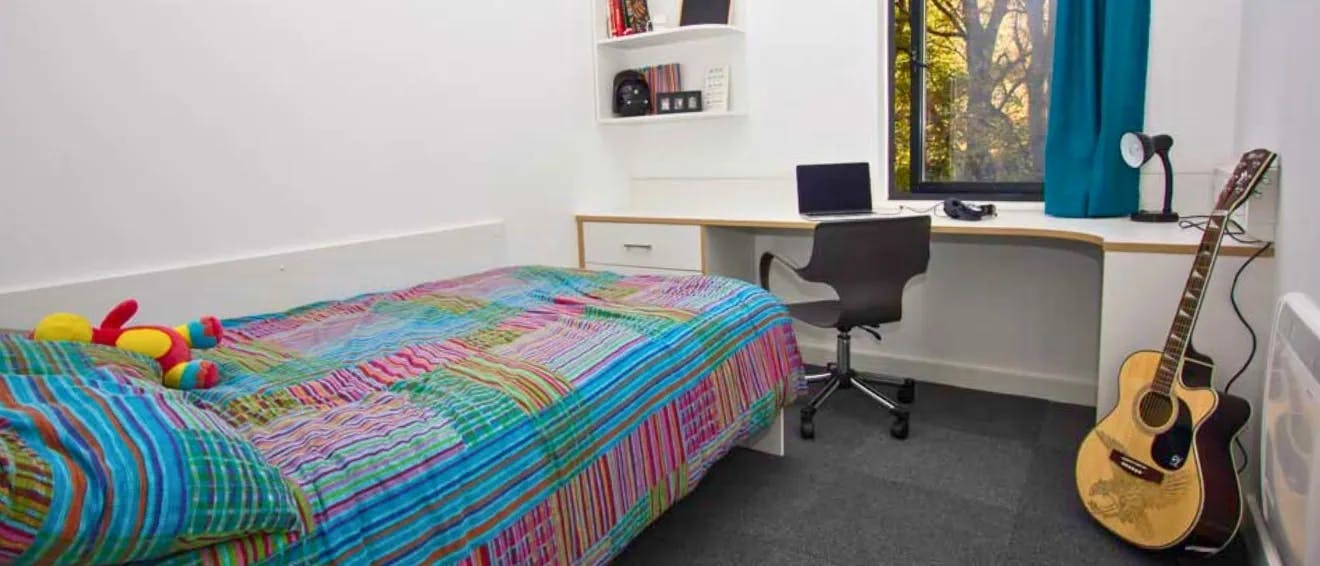
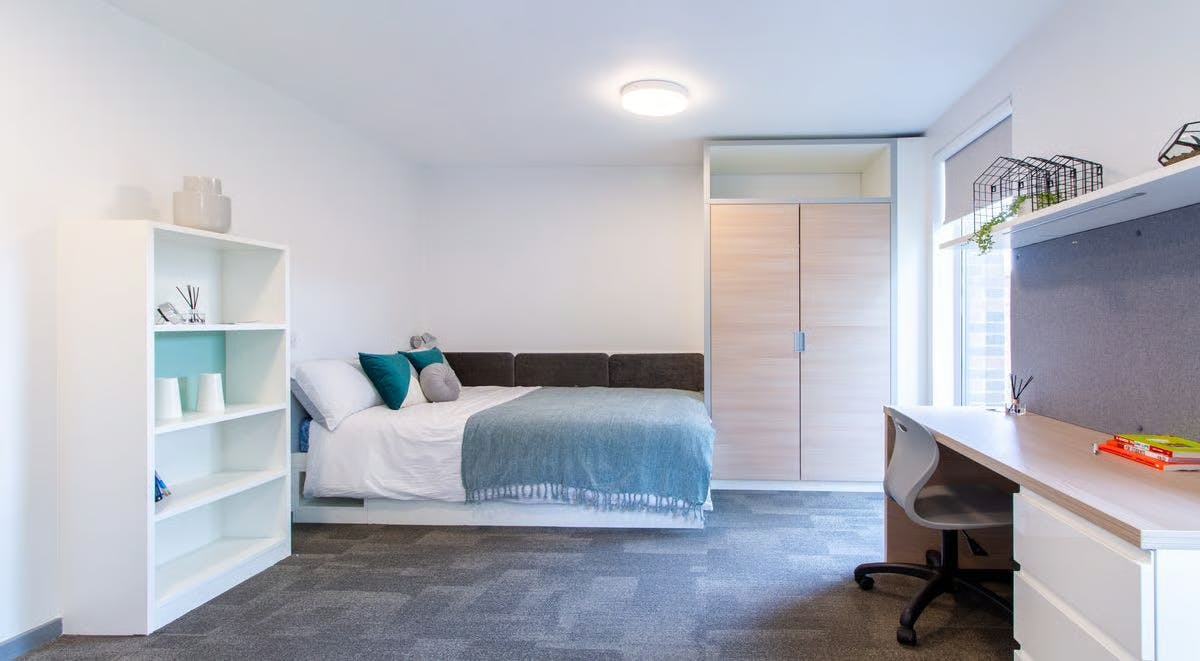
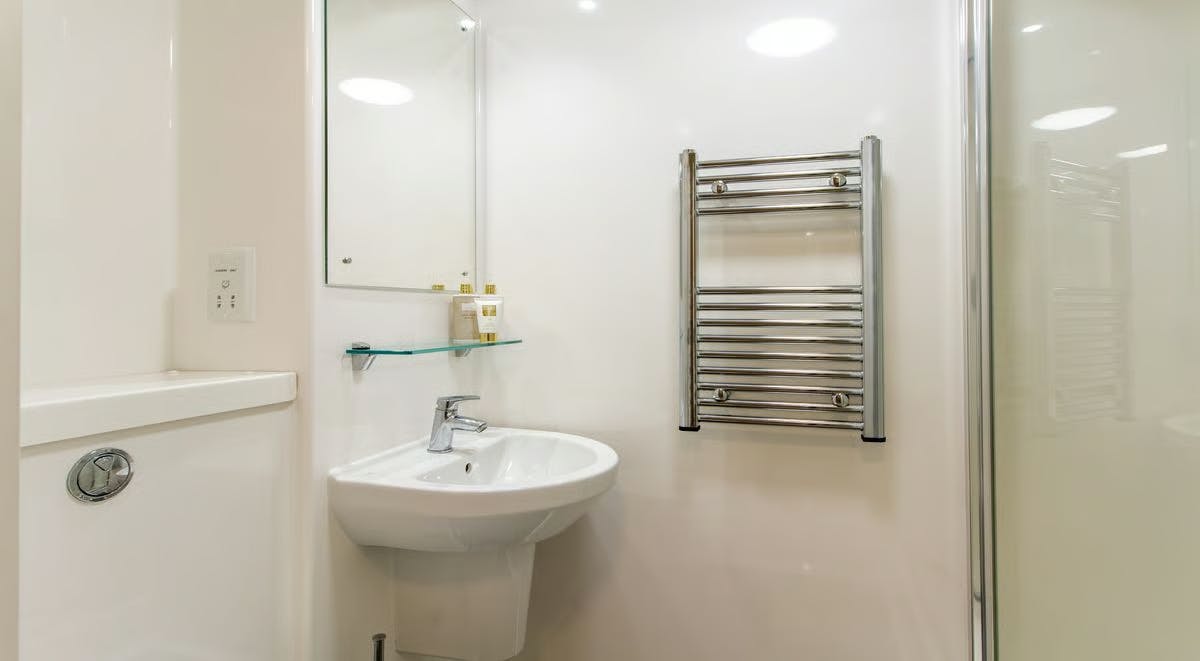
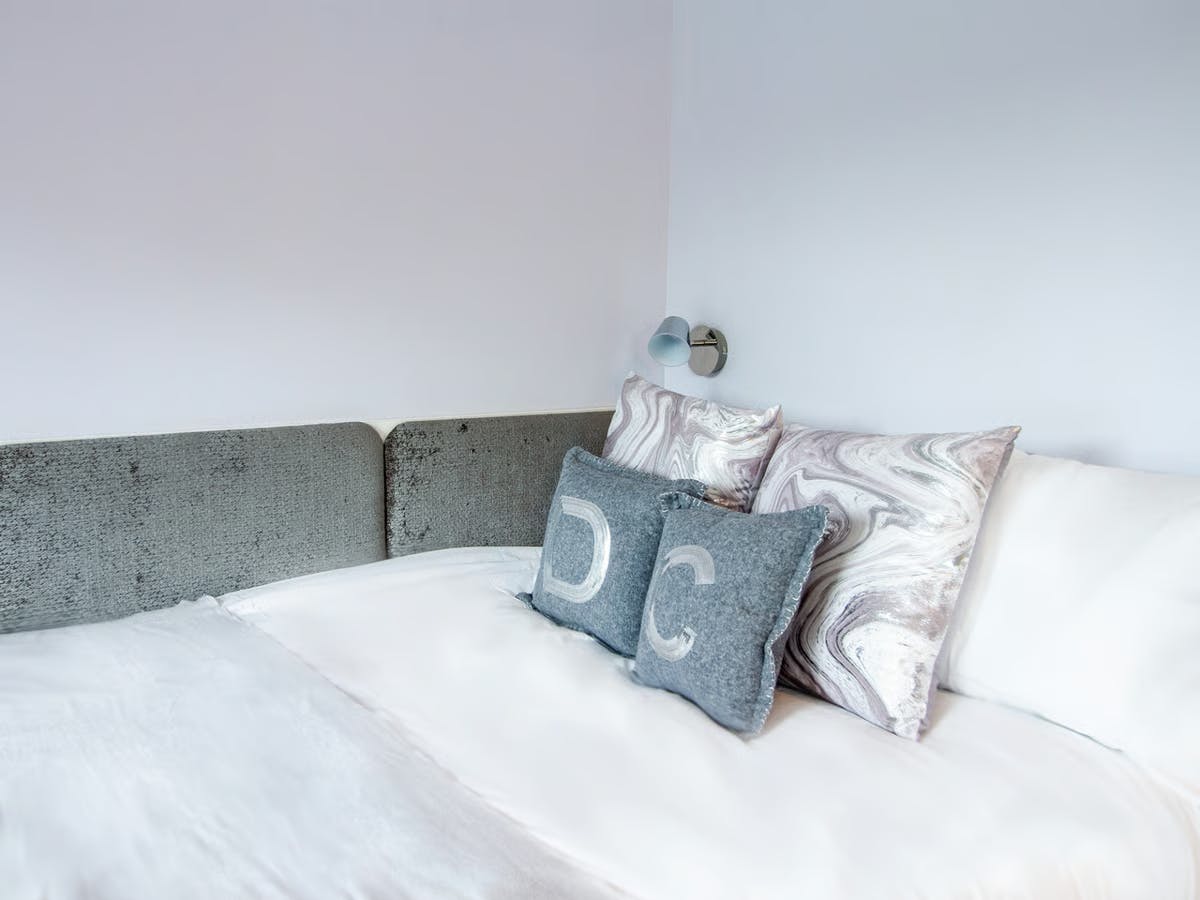
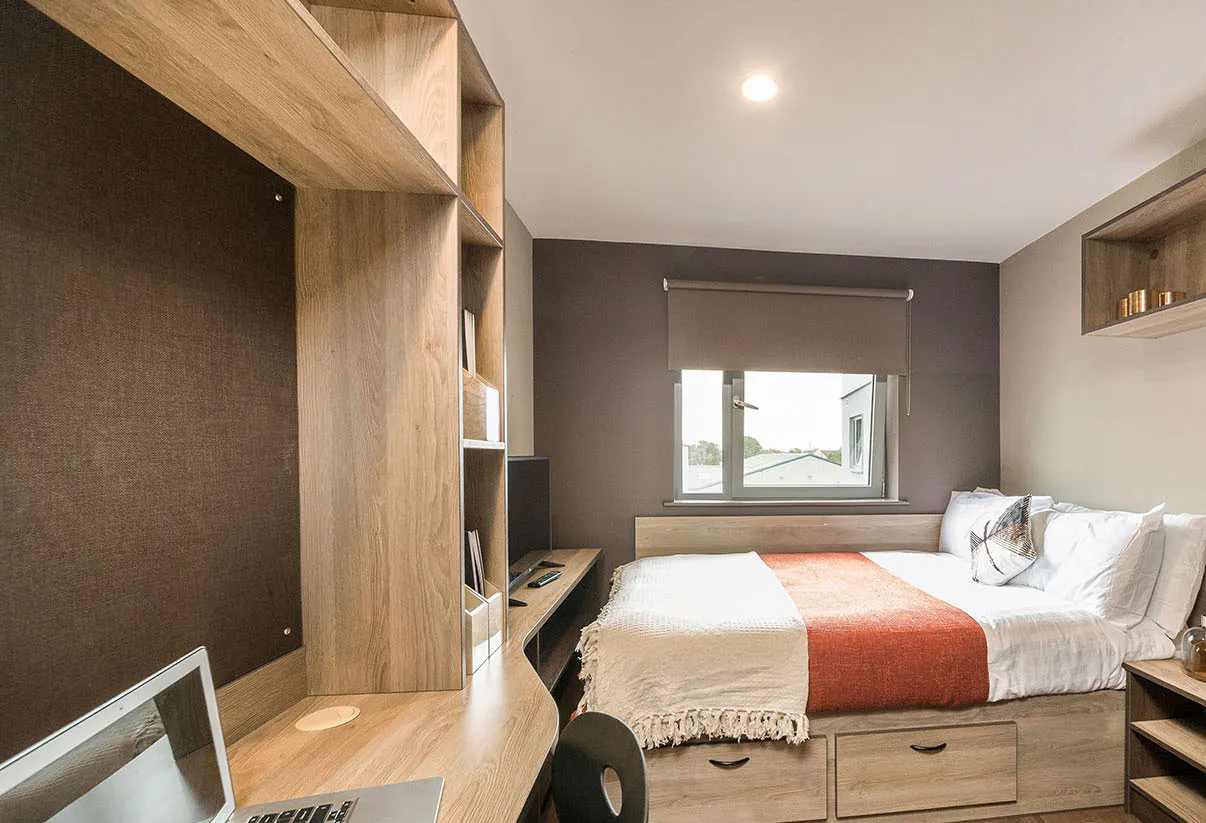
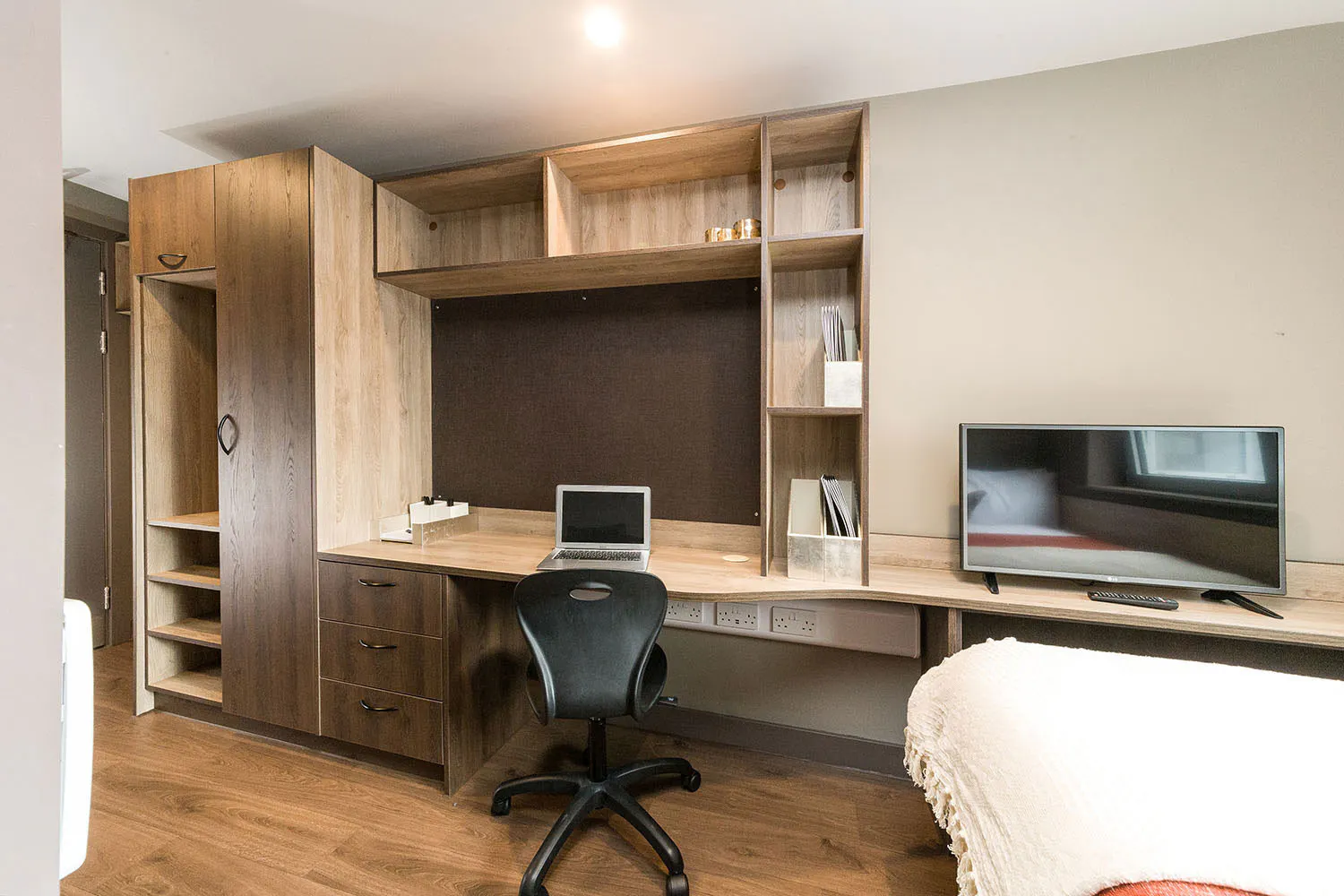
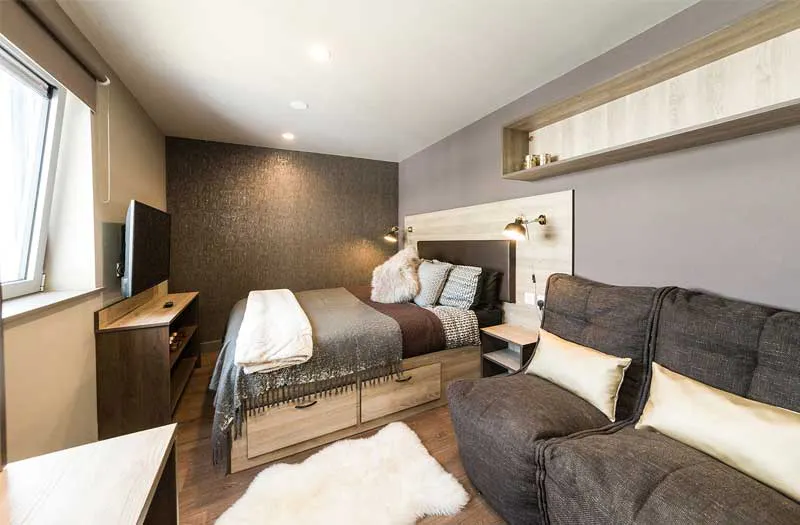
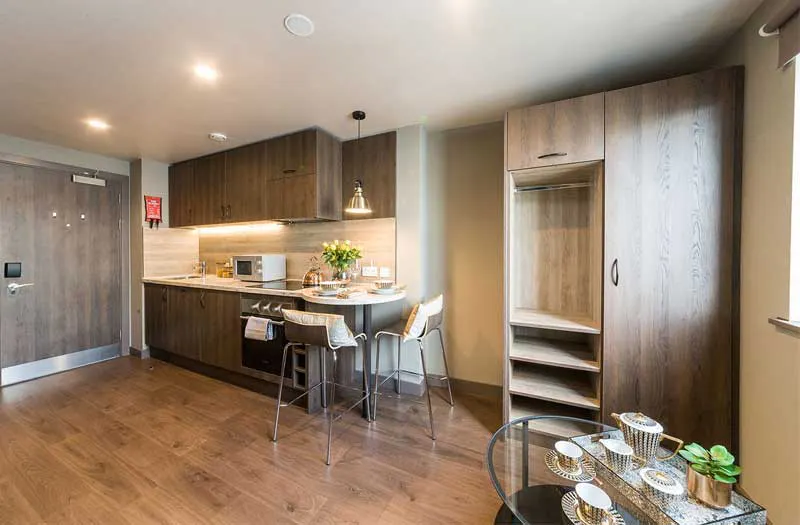
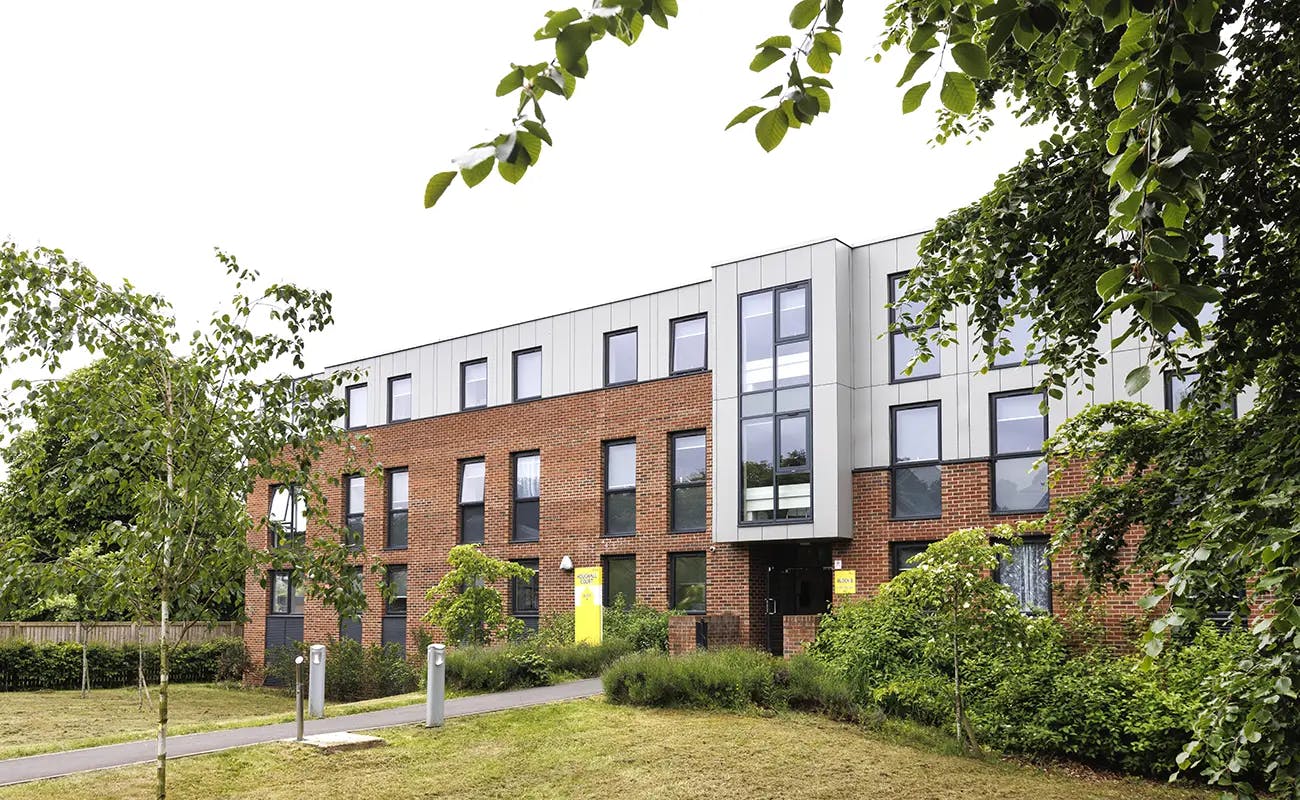
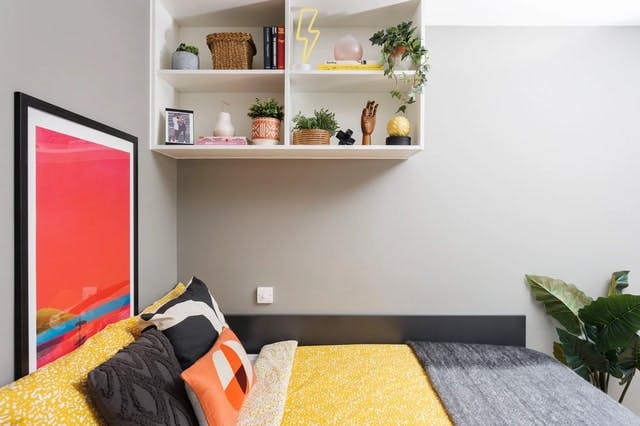
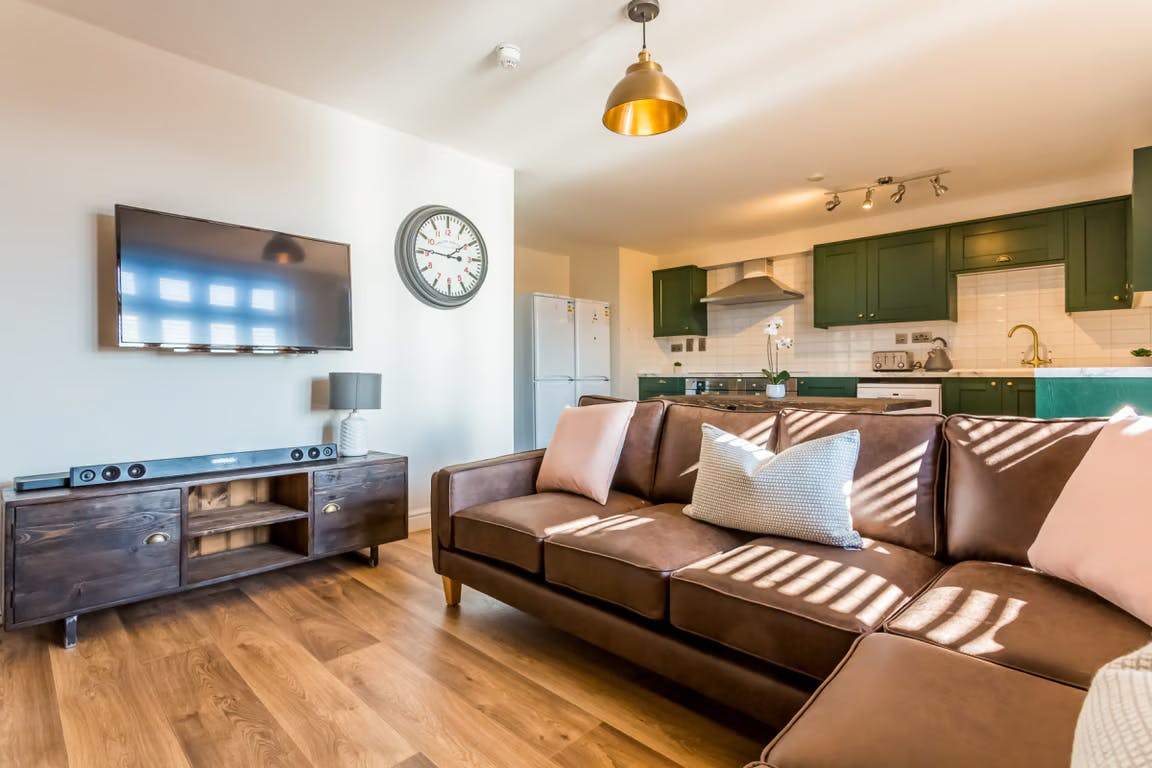
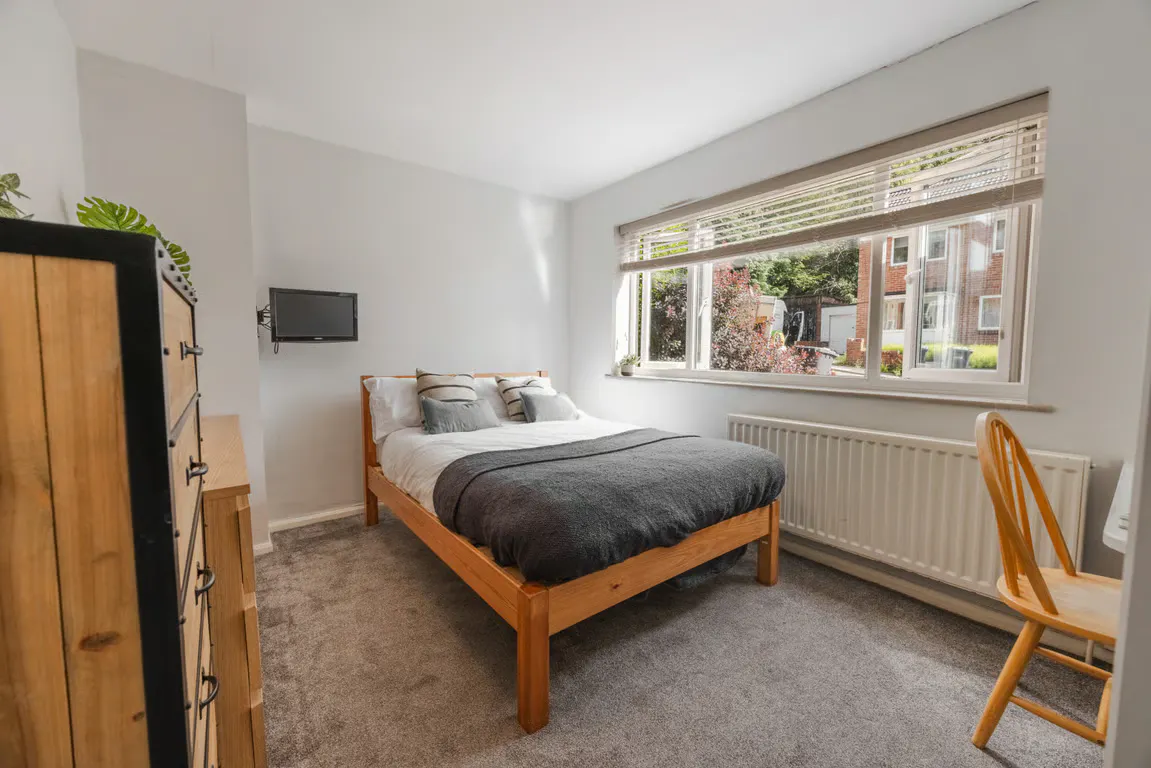
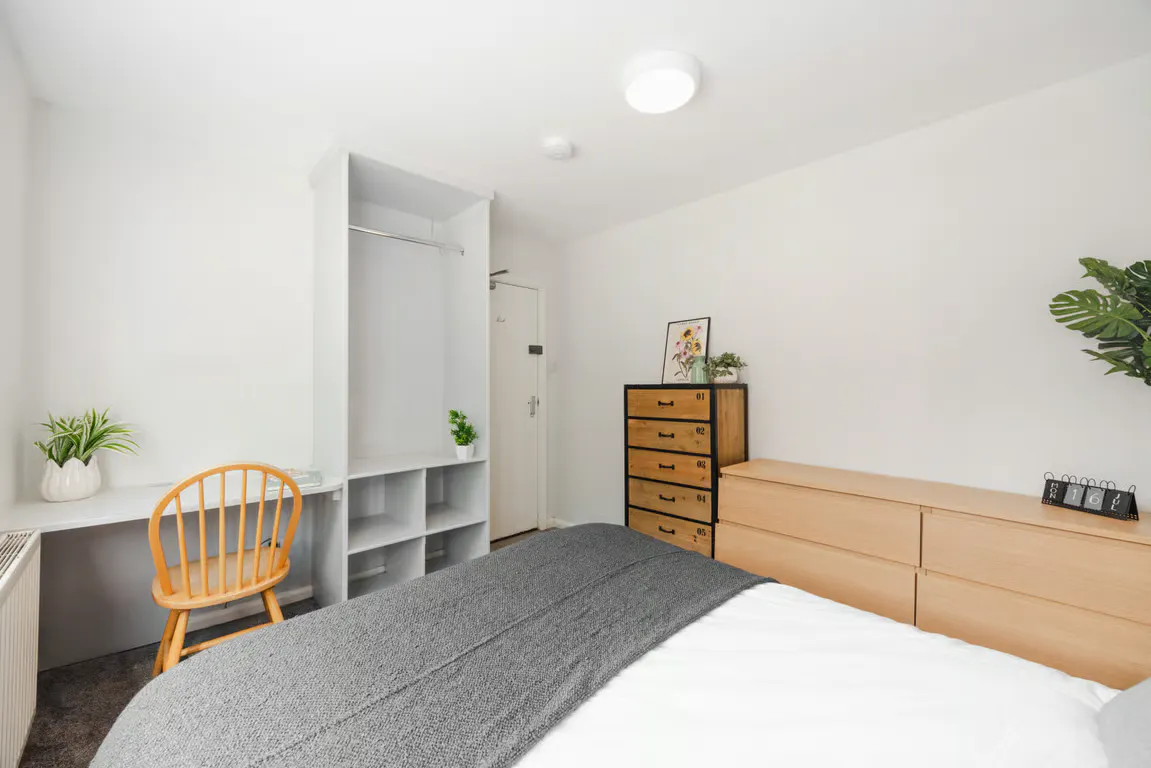
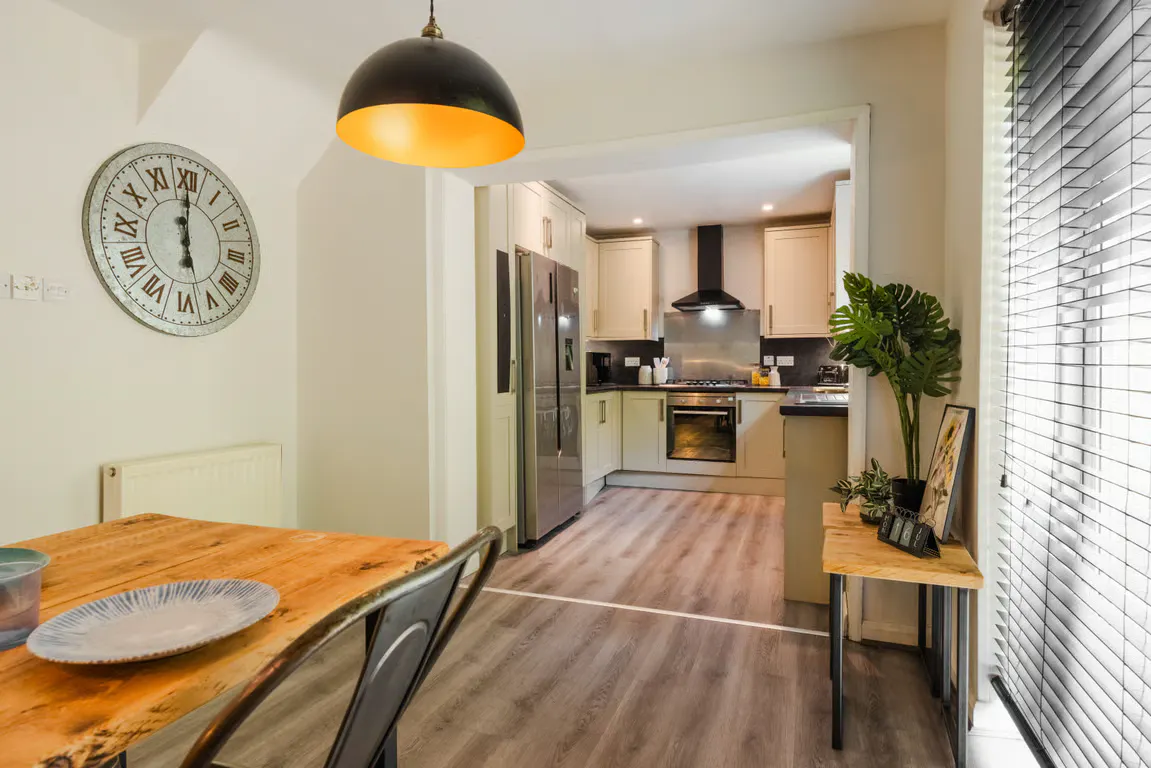
Student housing in Durham includes university accommodation, private houses, and PBSA, offering students a range of options based on their budget and lifestyle. Private houses are popular with returning students, while PBSA offers facilities such as furnished rooms, shared spaces and on-site services. Starting the search early gives students more choice in popular areas and price ranges. UniAcco lets students compare verified accommodation, room types and prices across Durham in one place.
- Duresme Court
- Chapel Heights
- 1 St Hilds Lane
- 17 Laburnum Avenue
- Houghall Court
- Ernest Place
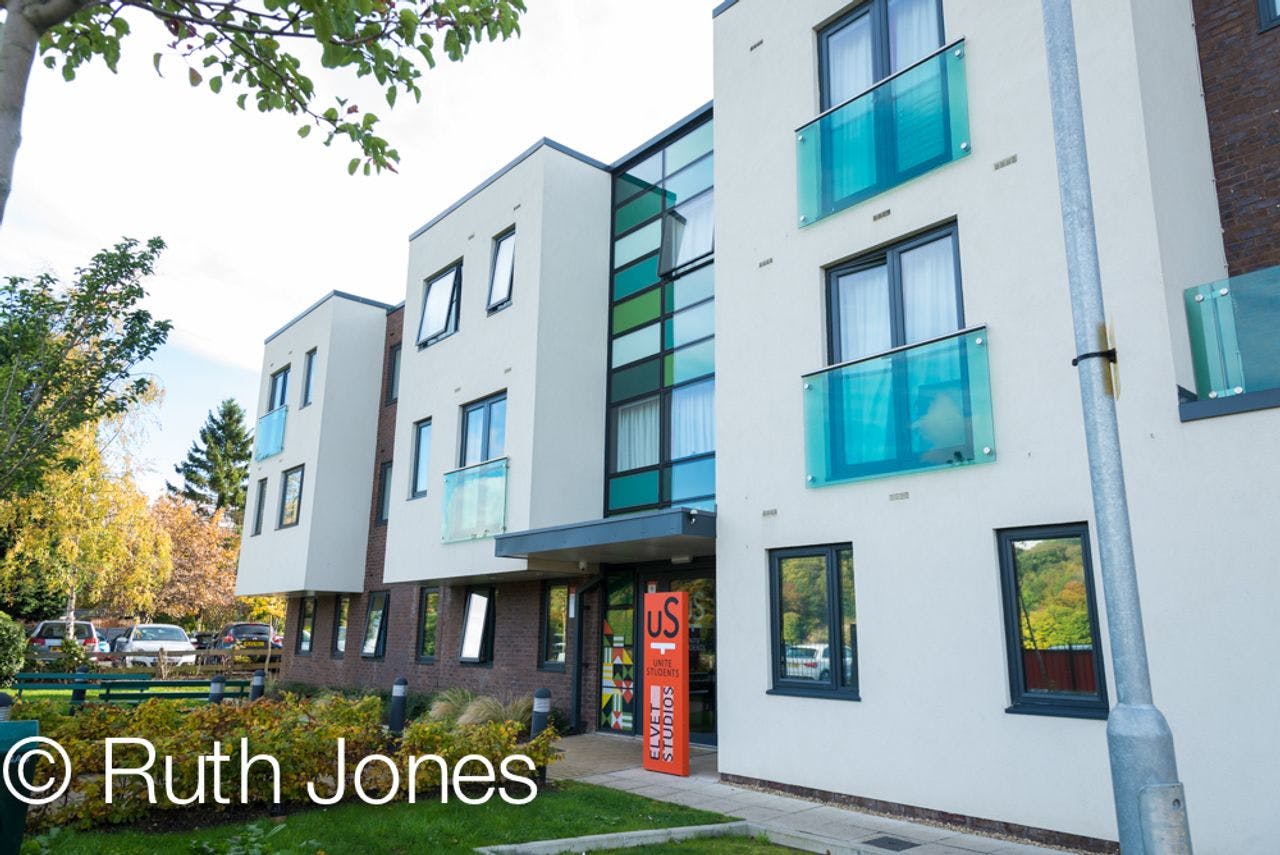
- Elvet Studios
Best Areas for Student Accommodation in Durham
Whinney Hill: If being close to campus is your main priority, Whinney Hill is one of the best options. Durham University is around a 10-minute walk away, so students can easily get to lectures without using public transport. The area is also close to the university side of the city. This is perfect for those who want to spend most of their time on campus. It is a practical choice for anyone who wants a short daily commute.
Neville’s Cross: A quieter, more residential feel sets Neville’s Cross apart from the busier parts of Durham. Durham University is about a 19-minute walk away, so students can still reach campus while living outside the busiest student areas. It can suit students who prefer a calmer evening after classes and do not need to be right in the middle of city-centre activity.
Gilesgate: Gilesgate is a useful option for students who want to rely on buses rather than walk everywhere. Durham University is around 19 minutes away by bus, and local services also connect the area with Durham city centre. It has a more everyday, residential feel than the central parts of Durham, making it a good choice for students who want practical transport and a little distance from the main university areas.
Claypath: Living in Claypath puts students close to the heart of Durham's city-centre life. Durham University is around a 19-minute walk away, while shops, cafés, restaurants and other everyday facilities are close by. The area works well for students who want to walk to most places and enjoy having the city centre right outside their accommodation. It is also a good middle ground for students who want both access to university and city life.
New Elvet: New Elvet gives students one of the more central locations in Durham. Durham University is around a 12-minute walk away, while the city centre is also close enough for everyday trips on foot. Its location works especially well for students who do not want to spend much time commuting and want easy access to cafés, shops and student facilities. It offers a good balance between university life and the wider city.
Student Accommodation Near Top Universities
|
Institution / University |
QS World Ranking 2027 |
Location |
Main Focus Areas |
Top Student Accommodation Near the University |
|
Durham University |
85 |
Durham City |
Law, Business & Management, Engineering, Psychology, Economics |
Dun Holm House, Houghall Court and Elvet Studios |
Getting Around Durham — Student Travel Guide
Durham is a compact city, so students can walk to many places, especially if they live near the university or city centre. Whinney Hill is about 10 minutes from Durham University on foot, while New Elvet takes around 12 minutes. Students living in Gilesgate can reach the university by bus in about 19 minutes. Buses are useful for longer journeys, while cycling works well for getting around the city and university areas. Durham railway station also makes trips to other cities and weekend journeys home easier.
|
Area |
Durham University |
|
Whinney Hill |
Walk – 10 min |
|
Neville’s Cross |
Walk — 19 min |
|
Gilesgate |
Bus — 19 min |
|
Claypath |
Walk — 19 min |
|
New Elvet |
Walk — 12 min |
Transport options and costs:
|
Mode |
Best for |
Cost / Pass |
Key tip |
|
Walking |
Durham's Whinney Hill — Durham University is within walking distance |
Free |
Colleges further from the centre may still need a bus, especially in bad weather |
|
Cycling |
Local routes around colleges and the city |
Free (bike ownership cost separate); storage options available on campus |
Durham fosters a genuinely bike-friendly atmosphere with dedicated lanes |
|
Bus (Arriva) |
Connecting colleges, city centre, and surrounding suburbs |
Durham Uni Zone: £1.60 per day, £8.50 per week, £90.00 for 15 weeks, £220.00 annually. Durham Uni Plus Zone: £2.70 per day, £13.00 per week, £140.00 for 15 weeks, £340.00 annually. |
Show your Durham University ID card when boarding to access discounted student pricing |
|
Cathedral Bus |
Linking the train station and Framwellgate Waterside with the city centre, marketplace and Durham Cathedral and Castle |
£1.20 (60p for children 15 years and under) and are valid all day. |
Useful if you want to avoid the uphill walk to the Cathedral area |
|
Train |
Weekend travel home, longer trips — Durham sits on the East Coast Main Line |
16-25 Railcard: ? off, £35/year (16-25railcard.co.uk) |
LNER, TransPennine, Northern, and CrossCountry all call at Durham station |
Student Life in Durham
-
Cafés and Study Spaces
Finding a change of scenery from the library is easy in Durham. Students often revise in independent cafés around Elvet, Saddler Street and the Market Place, where coffee shops offer quiet corners for studying between lectures. The Bill Bryson Library is another popular choice, with 24-hour study spaces available during exam periods.
-
Student Societies and College Life
Students can join more than 200 societies, ranging from debating and theatre to cultural groups, volunteering and entrepreneurship. These are organised through the Durham Students' Union (DSU) and individual colleges. Being a part of these societies helps students explore passions beyond their coursework.
-
Shopping and Everyday Essentials
Most daily shopping can be done in the city centre, where students have access to supermarkets, pharmacies, bookshops and independent retailers around Prince Bishops Place and The Riverwalk. For bigger shopping trips, Newcastle is less than 20 minutes away by train and offers major shopping centres, high-street brands and entertainment.
-
Sports and Outdoor Activities
Durham is one of the UK's strongest university sports cities. They provide opportunities to compete or stay active at every level. Students can join college and university teams, use modern sports facilities, row on the River Wear, or take advantage of scenic walking and cycling routes around the city. The nearby Durham Dales and North Pennines also make great weekend destinations for hiking and outdoor adventures.
-
Nightlife and Entertainment
Evenings in Durham offer a mix of relaxed pubs, riverside bars and student-friendly venues, with many college formals, socials and themed events taking place throughout the year. Live performances at the Gala Theatre, live music venues and seasonal festivals. While Newcastle's nightlife is only a short train ride away for students looking for a bigger night out.
When Should You Book Student Accommodation in Durham
The best student accommodation in Durham comes to those who book before the rush. The best-located, most affordable properties in areas like Whinney Hill and New Elvet tend to sell out early, especially for the September intake. Check out the recommended booking period below:
|
Intake |
Recommended Booking Period |
|
September |
January–May |
|
January |
August–October |
How to Book Your Student Accommodation in Durham with UniAcco?
Follow the steps below and get your favourite student accommodation abroad.
Step 1: Compare prices and properties
First, choose the destination where you want to book the accommodation. Then, from 11 verified listings, shortlist the accommodation that suits your needs and lifestyle by comparing prices and properties.
Step 2: Fill in your details
Once you have shortlisted your accommodation, fill in your basic details, such as your name, mobile number, and email address. Make sure the information you put in is correct.
Step 3: Talk to our expert and get the confirmation
Once you fill in the information, our student expert team will reach out to you within hours. They will guide you through contracts, deposits and rental agreements. Basically, they will be there for you 24/7 till you move into your accommodation.

sign up to our newsletter
connect with us


